Guanaco Reserves of Chile
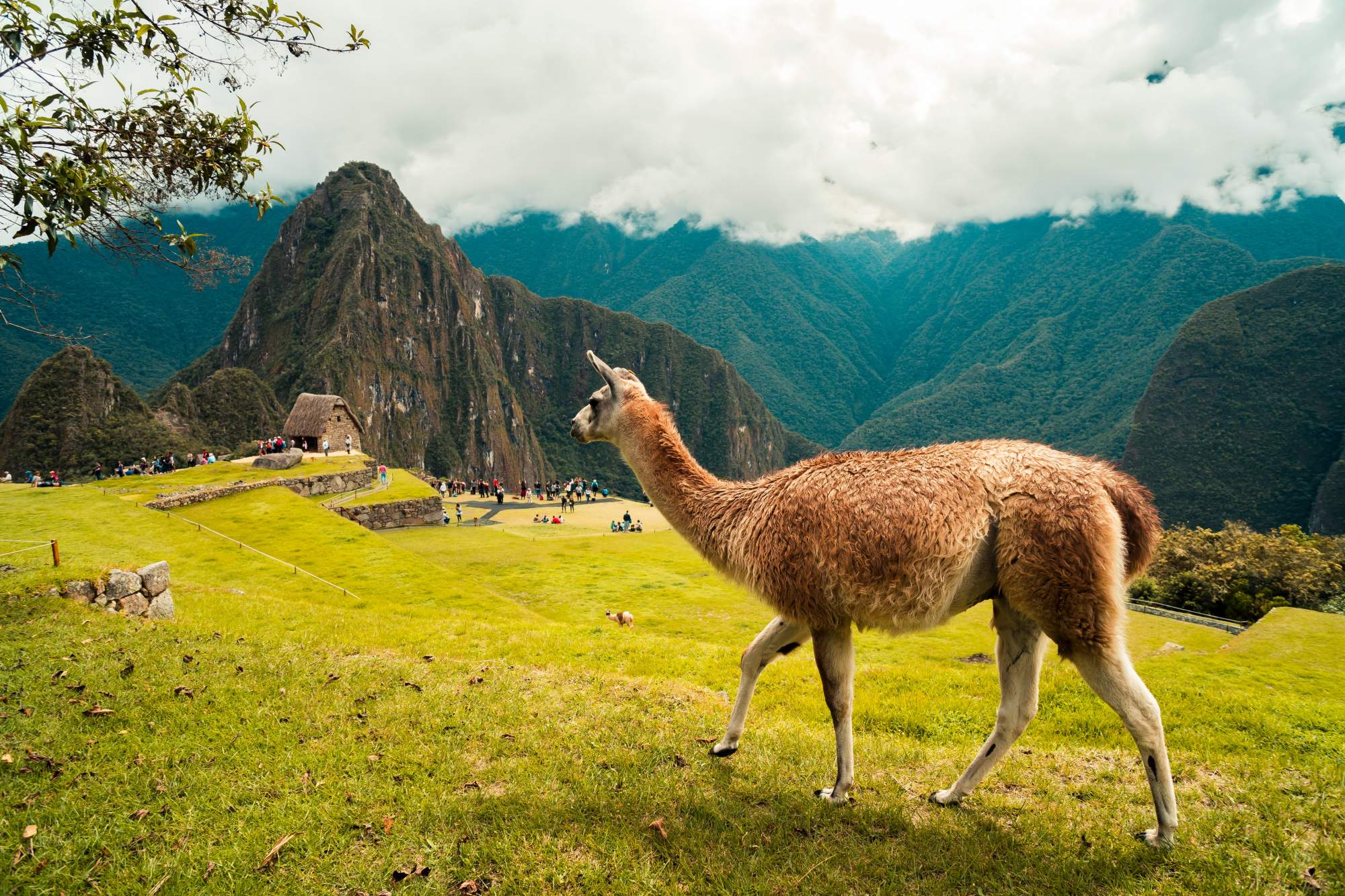
Domesticated llama and alpaca species are raised commercially
Visitors who travel to Chile won’t find guanacos throughout the Andean foothills where the species once roamed. Now that the species’ natural range has been carved into pieces and fenced, guanacos are unlikely to return to many areas despite the government’s conservation efforts. Depending on where they travel, visitors may still be able to see guanacos in some locations, north and south, during their Chile tours.
Return to previous page
Guanaco Reserves
-
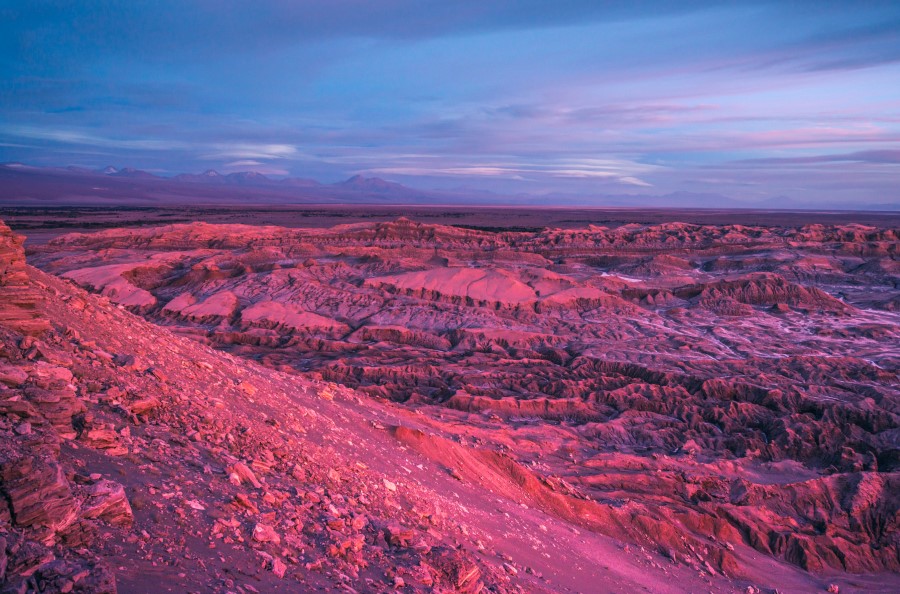
Though today most of Chile’s guanacos inhabit the country’s most southerly regions, some national parks in the north also protect them. Guanacos are found in three coastal parks in the Norte Chico region, primarily 118,000-acre coastal Llanos de Challes National Park in the Atacama Desert; Fray Jorge National Park to the south and 96,000-acre Pan de Azucar National Park to the north. Guanacos are even found as far north as Lauca National Park in the Tarapaca region, where visitors on Chile tours are expecting to see vicunas.
-
Below the Lake District, vast Chile Patagonia is divided into the more northerly Aisen region, the Magallanes region to the south and at its most southerly tip, what is called the country’s Antarctic region. Guanacos are found in some areas of Aisen such as 294,800-acre Cerro Castillo National Reserve where the government has imported the species to part of the reserve. It is in the Magallanes region that visitors on Patagonia tours will observe the most guanacos during their travel to Chile where large areas protect the species.
-
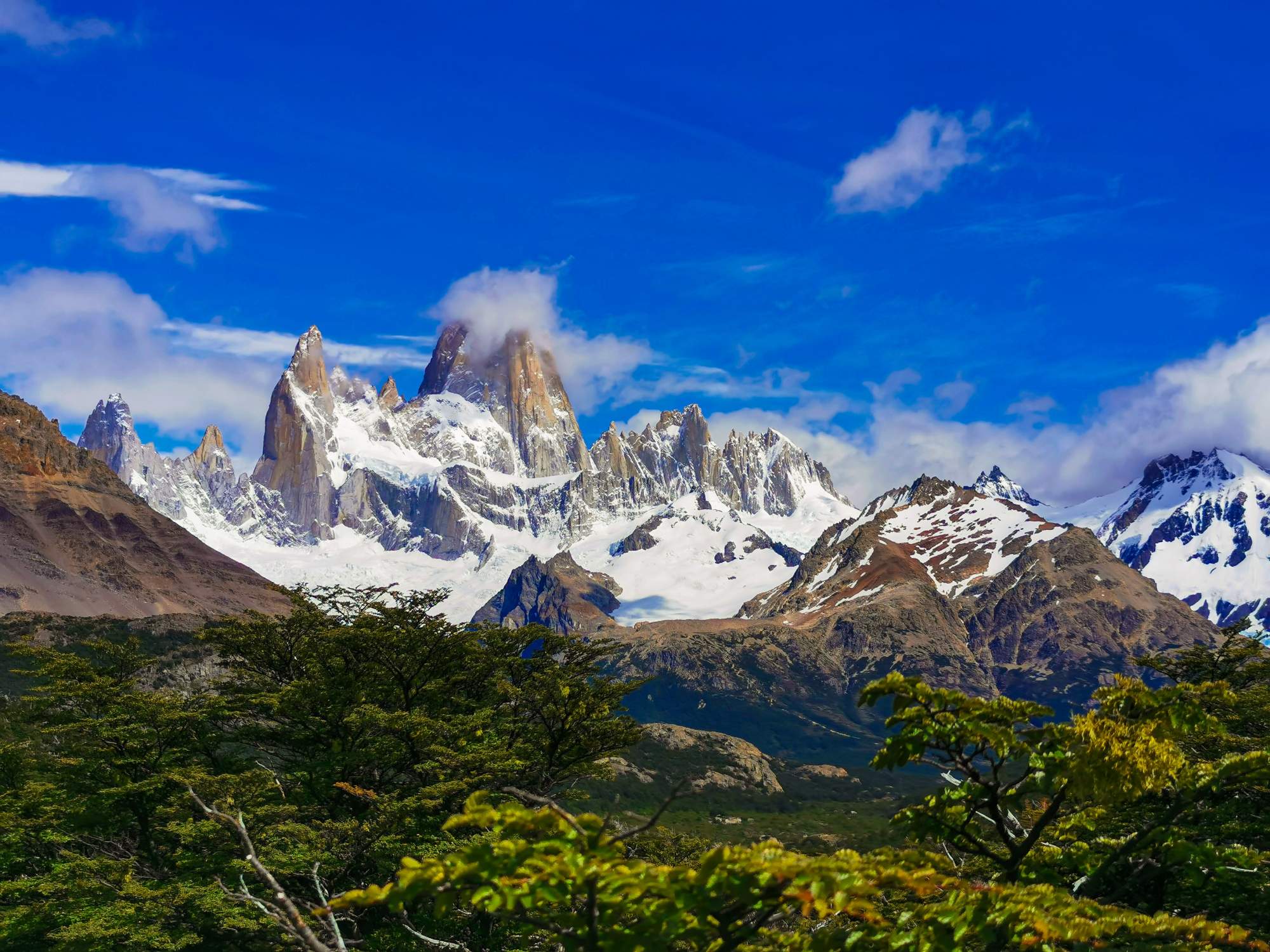
Established in 1970 to protect the lenga forests, Torres del Paine National Park is the most spectacular of Chile’s national parks. It contains numerous areas where guanacos thrive and the population is increasing. On the border with Argentina just north of Tierra del Fuego, herds of guanacos have found a protected home in Chile’s 12,430-acre Pali Aike National Park.
-
Traveling south, the Isla Grande de Tierra del Fuego that Chile shares with Argentina, contains important refuges for guanacos, comprised of donated land. The 716,000-acre Pumallin National Park is located in an area of natural reserves along Argentina’s border. Most of Chile’s guanacos in Tierra del Fuego are found in the Karukinka Reserve, north of Almirantazgo Sound and east of Whiteside Canal, stretching to Chile’s eastern border. The reserve protects 740,000 acres of high-altitude forest where guanacos are being studied. Fortunate are the guanacos that inhabit these lands since the habitat is too far south for their main predator, the puma.
-
In Chile’s Antarctic region, guanacos are found in 3.6 million-acre Alberto de Agostino, Chile’s third largest national park. Further east, an unlikely guanaco home is Isla Navarino, on the south side of Beagle Channel. It is not much of a swim, and guanacos are strong swimmers, so perhaps the species originally arrived here on its own from the mainland. It is also possible that the animals settled on the island by the same means as those guanacos that occupy the Falkland Islands today—with help from humans who transported them there.