Protecting the Guanacos of Argentina
Domesticated llama and alpaca species are raised commercially
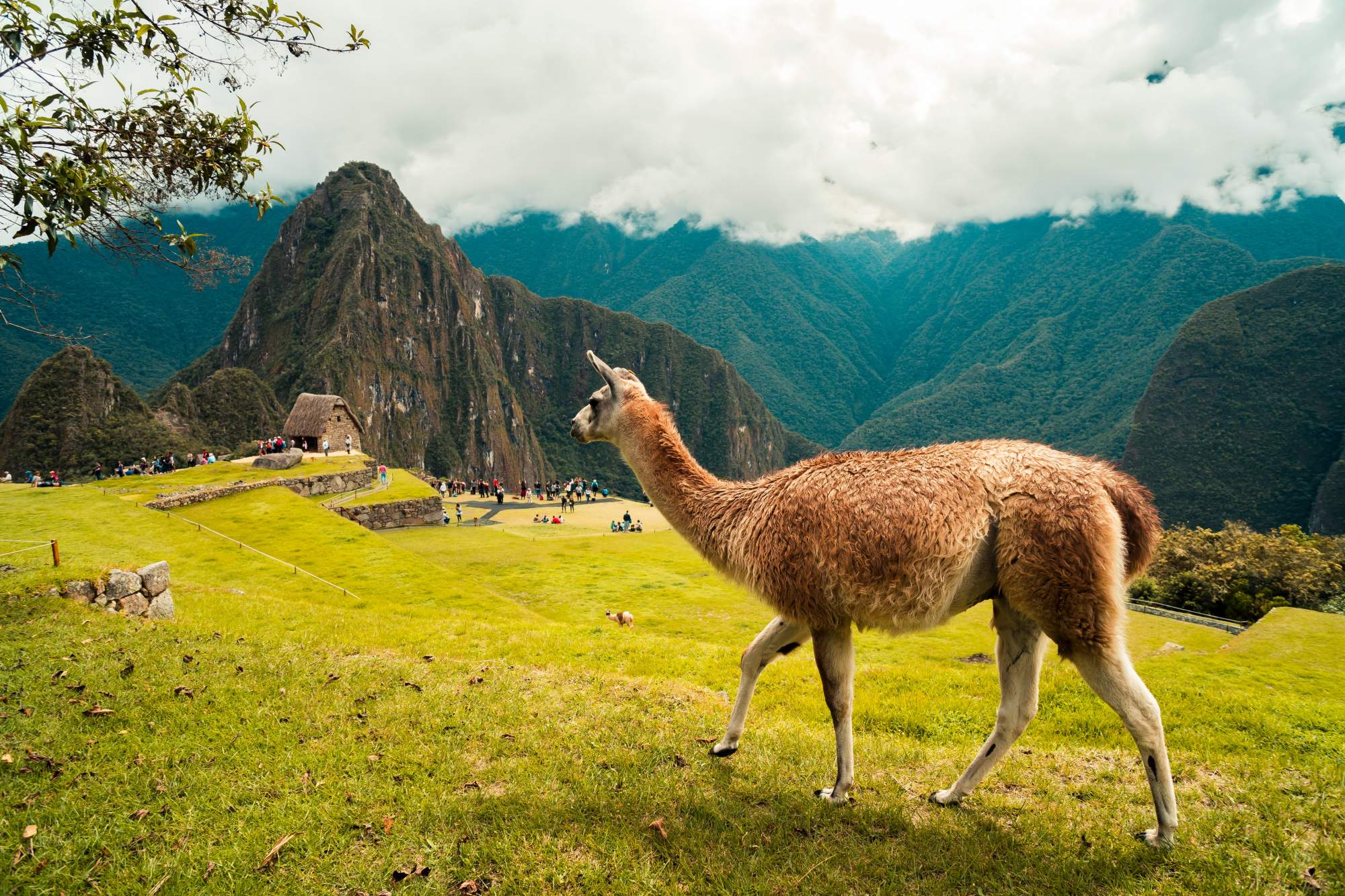
Preserving guanacos in Argentina where there are so many is a different kind of challenge than in a country such as Peru where there are so few. Argentina has developed a national management plan to protect its guanacos that includes setting aside areas to protect the species. When it comes to guanacos in Argentina, the term “protected area” is a relative term. The species is so prolific and widely dispersed throughout the country that these protected areas represent but a small percentage of the species’ range. The larger the protected area and the more accessible, the more difficult it is to prevent poaching. Seldom is there enough staff to guard large remote areas adequately. The problem is compounded in regions where contiguous protected areas stretch out over such vast distances that few tourists visit during their travel to Argentina. Where poaching remains a problem, the only strategy available to the government is to close unused trails, making it more difficult to reach the animals.
Return to previous page
Protecting Guanacos
-
Besides the human problem, the guanaco’s other predator is the puma, a species that inhabits all the same regions except Tierra del Fuego, where it is too cold for the puma. In Argentina, guanacos have been able to survive on their own in far larger numbers than in other countries. In some places they overwhelm the landscape, causing problems for ranchers attempting to make a living by raising domesticated stocks of other species, primarily sheep. Most of the lands that guanacos inhabit in Argentina are held privately. Here many landowners find the species more a nuisance than endearing, just as protected deer species have come to be viewed in some ranching areas of North America.
-
The situation has led the government to experiment with “sustainable management” to make the shearing of fleece profitable as is being done in other South American countries to preserve their vicuna populations. In some areas, the Argentine government has permitted the vicuna conservation technique called a chacu, an Inca tradition, to be applied to guanacos. A chacu consists of corralling the animals, shearing them and then releasing them back into the wild. It remains to be seen whether the strategy is effective, though at least in Southern Patagonia where the species is so abundant, the technique may at least help to ameliorate the farmer vs. guanaco problem. These programs are being closely monitored to ensure that they don’t have the opposite effect, endangering the populations that the policy is intended to protect.
-
International environmental organizations have aided Argentina’s conservation work by raising funds to purchase land, by working with the local governments to minimize disturbance to guanaco habitat, by encouraging commercial entities to circumvent guanaco migration areas and by documenting movement of the species through some regions. The Wildlife Conservation Society, is working to establish migratory corridors between La Payunia Provincial Reserve in Mendoza Province and the Auca Mahuida Provincial Reserve in Neuquén Province. In Chubut Province, a private 15,000-acre reserve called the Ranch of Hopes Wildlife Refuge (Estancia la Esperanza) has been established by the British environmental organization, World Land Trust, and Fundacion Patagonia Natural, an Argentine conservation group, where guanacos and other species roam free. The provincial government has designated the area as a protected wildlife refuge. With so many guanacos roaming the Andes here, visitors who travel to Argentina for a Patagonia hiking adventure or take Argentina tours to the country’s western national parks will likely encounter the species.