Ecotours:The Dawn of the Eco-friendly Adventure
Ecotourism, AKA ‘sustainable tourism’, is built on the knowledge that tourism is essential to the economies of remote places
One of the most significant relics of the fortress city Machu Picchu is the intihuatana,
a column of rock extending from a piece of broad stone. Intihuatana means ‘for tying the sun’
but is usually interpreted as ‘hitching post of the sun.’ In ancient times, on the eve of the winter
solstice, when the sun seemed to disappear, a priest would use this post to try and bind the sun in place.
The image is striking, and rays of its ideology are more present than ever in the modern world.
Though citizens today stop short of attempting to tie the sun in place, awareness of the temperance
of our natural environment continues to heighten. Despite said awareness, humankind's innate wanderlust
continues to bloom, and thus a new buzzword is born out of these merged interests called ‘ecotourism.’
Ecotourism is the new ‘heightened security’, the new socially conscious and semi-political movement, designed to
boost tourism while stewarding indigenous citizens, improving the economy, and protecting the earth.
Return to Previous Page
EcoTours and Ecotourism
-
Ecotourism, also known as ‘sustainable tourism’, is built on the knowledge that tourism is essential to
the economies of remote nations, but that tourism can endanger and infringe upon many precious natural
resources. Because of the tourism's historical intrusion, many natural resources are being strained
immensely, and it is a common thought that we will soon have ecotourism or no tourism at all.
But what exactly is ecotourism? According to planeta.com, three main facets define ecotourism:
it provides for environmental conservation, it includes meaningful community participation,
and it is profitable and can sustain itself.
But in case you are thinking this increased environmental awareness signifies the end of tourism, relax!
In actuality, ecotourism is providing new, exciting opportunities for eco-friendly adventures unlike any
that were available before. With a few simple, and mutually beneficial practices and precautions,
ecotoursim can actually enhance your travel experience, while still preserving exotic travel sights
for future tourist's enjoyment.
Perhaps nowhere are examples of ecotourism more available than through the fiercely protected
and fragilely beautiful environments explored through eco-friendly tour groups such as Southern
Explorations. Exotic and immaculately preserved South American regions such as Machu Picchu and
the Galapagos Islands offer amazing opportunities for tourism because of their intricately guarded,
and consequently untouched, surfaces.
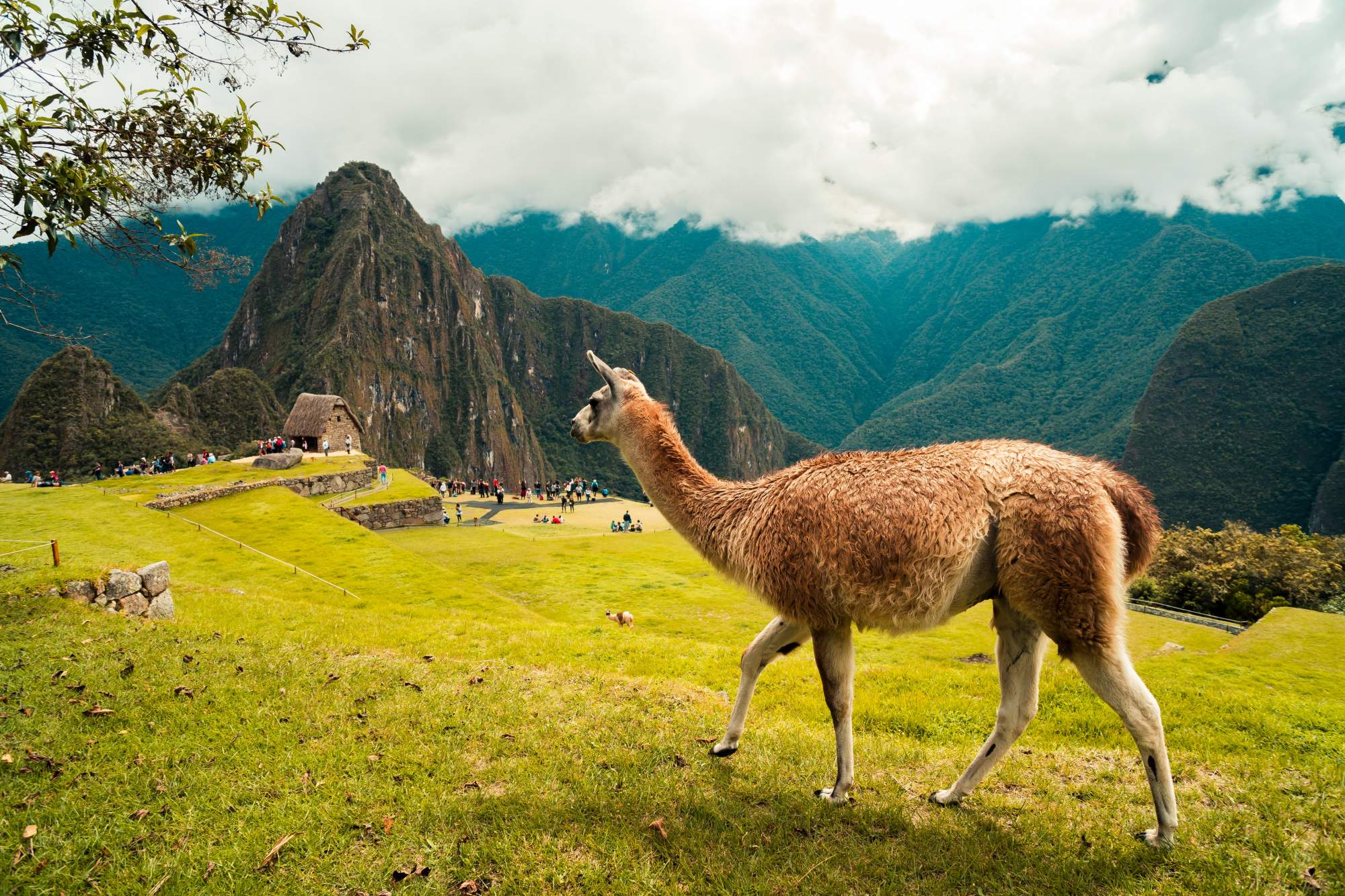
The remote fortress city of Machu Picchu, thought to have been planned and built by professional
Inca architects, is one such wonder. Because of the efforts of ecotourism and environmentally aware
practices, this vast and remote infrastructure stands virtually in tact, despite being built around
1460 AD! Machu Picchu, or “manly peak” is located high in the
Andes Mountains in modern Peru, and
surrounded by a fog of dense bush. Built by Pachacuti Inca Yupanqui,
an Incan ruler, the city has
an altitude of 8,000 feet, and is located high above the Urubamba River canyon cloud forest.
Thought to be a royal retreat or religious respite, Machu Picchu has long been a place of
seclusion and peace, described by residents as an area where they could be
“free from undesirable visitors, officials looking for army ‘volunteers’ or collecting taxes.”
(www.mnsu.edu) Though army officials and tax collectors no longer peruse this area,
the need to keep it free from undesirable visitors-instead creating respectful,
sustainable tourism- has continued.
Today, the 200 building city remains completely in place, an architectural masterpiece comprised of
granite blocks cut with bronze or stone tools, and smoothed with sand. These amazing blocks meld perfectly,
despite having no sealant binding them and no natural symmetry to their shape. Yet, the blocks are sealed so
tight a credit card couldn't be swiped between these stones, even after decades of wear.
This exciting land of cisterns, stone channels, and precariously placed temples is an architectural
miracle that has transcended the ages. Machu Picchu will continue to be preserved by the increased
consciousness of individual tourists and the collective efforts of environmentally friendly travel
groups such as Southern Exploration.
Another ecological wonder toured by Southern Exploration, but still greatly in need of increased
ecotourism, is the Amazon Rainforest. An ancient symbol of exotic intrigue, the Amazon is also
the most plentiful biological resource on the planet. The Amazon River runs 3,000 miles from
the Andes to the sea, and is longer than any river but the Nile. The vast Amazon basin covers
more than two and a half million square miles, more than any other rainforest, and gets nine
feet of rain a year, more than anywhere else in the world. Through the Amazon, plants, animals
and insect species provide a wealth of essential drugs, medicines, and healers not found anywhere
else. Yet experts hypothesize we are losing 130 species of plants, animals and insects everyday
as the rainforest is destroyed to help support local economy.
This is one area where ecotourism is absolutely vital. Advocates of the Amazon support
“the preservation of rainforests by promoting the use and creating consumer markets for
these sustainable and renewable rainforest resources and products.” (rain-tree.com.)
These advocates emphasize that ecotourism is everyone's responsibility. “We all share a
common thread in this relationship, and that is the preservation of the rainforest,
through education and by developing ethical, viable and economic alternatives.”
Ecotourism provides these economic opportunities for indigenous people to make money without
pillaging their own natural resources. It also provides a system of accountability to make sure
the Amazon remains unharmed and in tact, so that its beauty, mystery, and vital medicines
can continue to delight tourists for decades to come.
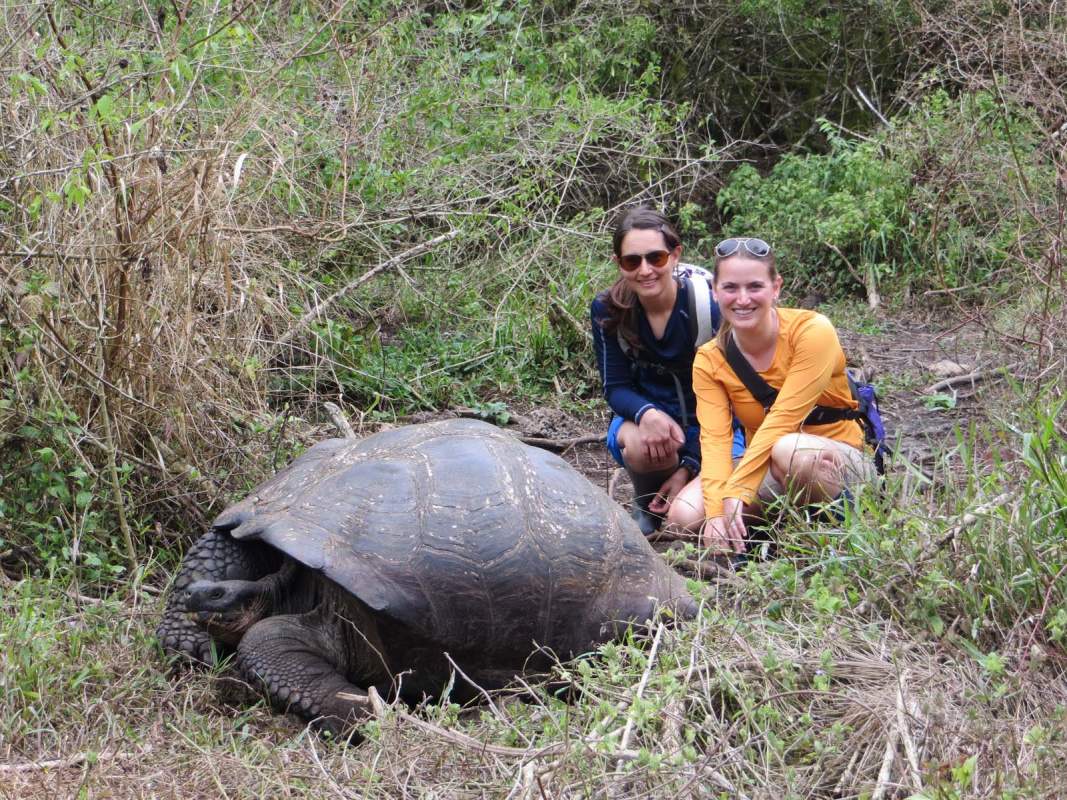
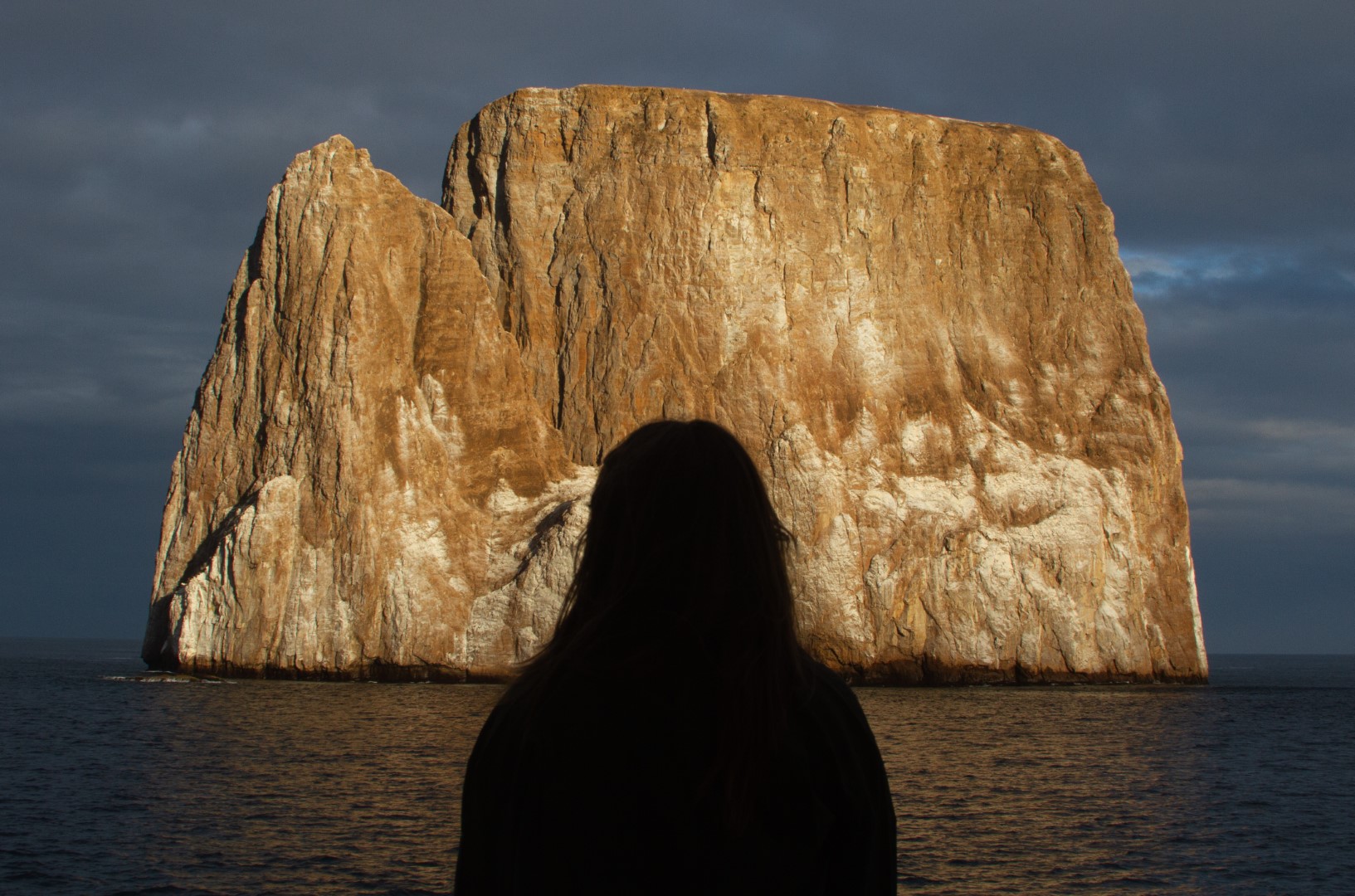
Another miracle of preservation, and perhaps one of the best examples of prolonged ecotourism,
is the Galapagos Islands, widely considered to have the most unique and stunning array of species
in the world. . Discovered in 1535 by Fray Tomás de Berlanga, the Bishop of Panama, these Islands
served as Darwin's vast canvas for inferring how unique animals adapted to a treacherous environment,
as well as displaying a rich plethora of subtle differences in species from island to island.
But, as stated on galapagosislands.com “Of course, a delicate world that has created itself in
such a remote and isolated realm is a delicate system. Human interruption and introduction easily
disturbs such a delicate laboratory - such an intricate system that took from millions of years to
evolve to survive in what might seem the least likely of places.”
Also mentioned at this sight are the variety of environmental issues haunting the Galapagos
islands, from pressure in world climate changes, to commercial fishing, to overpopulation and
the oil spill in 2001.
Still, tourists have historically flocked to this former pirate hang-out to marvel,
much as the pirates did, at the mass variety of flora and fauna found in the Galapagos,
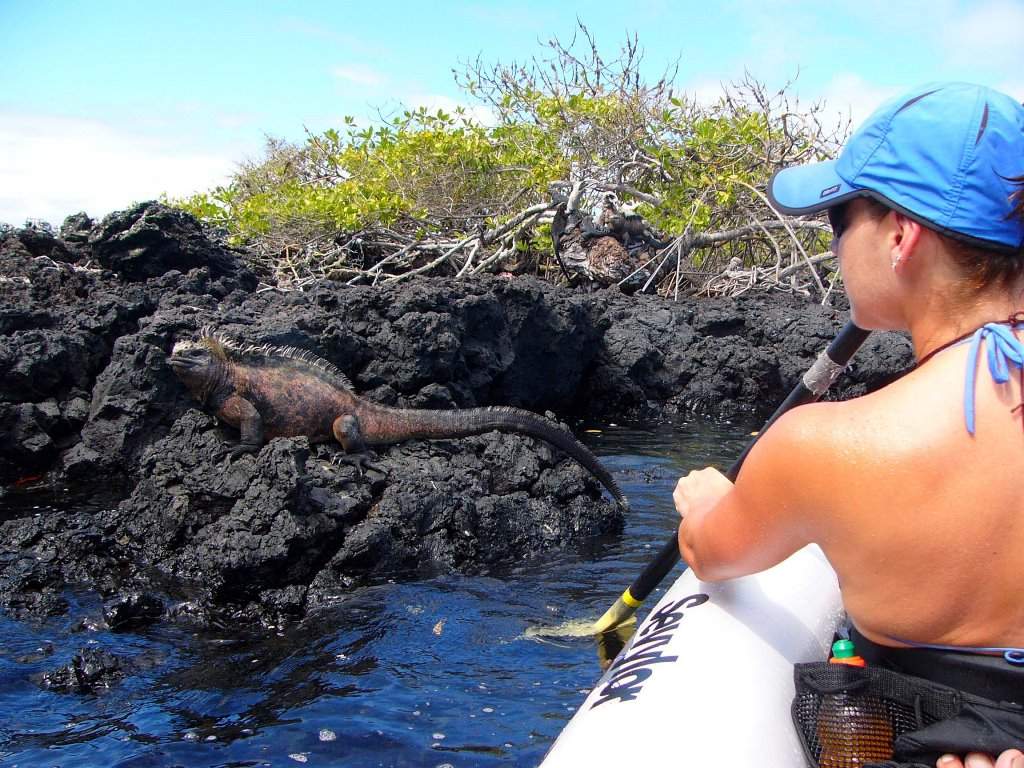
from tortoises, to penguins, to finches, to the creepy-looking sea iguanas. Despite
traditionally steep travel prices and equally strict tour regulations, the Galapagos
Islands have only a steady increase of tourists over the years. As the popularity of
ecotourism flourishes, people are pouring in to see the few untouched jewels of the
natural world, and are now learning methods of doing so in a respectful way.
Such methods are taught at environmentally conscious groups like Southern Exploration. This eco-friendly
travel tour group, which travels to the Galapagos Islands, Bolivia, Machu Picchu, Peru and many other
sacred areas, takes ecotourism seriously.
The tour group seeks to contribute to sustainable tourism in several key ways. One is by cultivating
long-term living and working relationships with the natives of the cities they tour. Another way is
by boosting the local economy through employing local guides. This method of ecotourism not only
provide jobs to natives but endows tourists with the rich cultural benefits of an ‘insider perspective.’
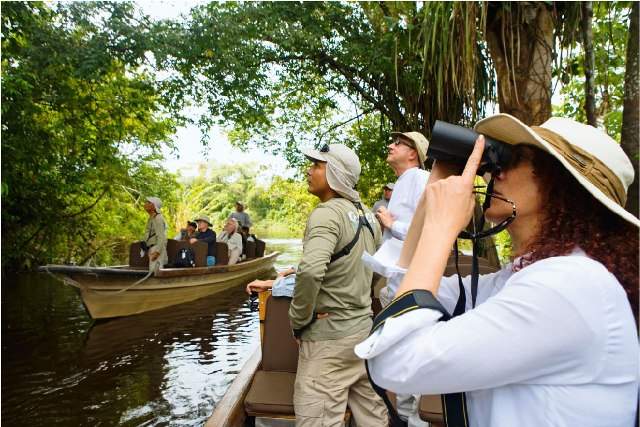
Southern Explorations also has a mandate of small tour groups, in order to minimize environmental
intrusion and keep the travel experience small and personal for the tourists. Small group size also
allows tourists to go into the most primitive areas of South America for the most authentic experience.
Accommodations, or eco-hospitality, is another important facet of ecotourism. Many hotels are now
instituting innovative policies directed at environmental sustainability, and Southern Explorations
is careful to choose those lodgings for their travelers in order to boost the hotel's business and
support their efforts.
The best thing about this new buzz concept is that ecotourism is mutually beneficial for everyone.
Not only does it help preserve the earth, it boosts the natural beauty and resources of some of the
earth's most rare sights by allowing them to peacefully evolve and grow. Ecotourism also provides
an amazing travel experience by allowing a personal look at primitive places, while aiding the global
economy by providing jobs in remote areas. All in all, ecotourism is the only kind of tourism to
consider, because it leads to an eco-friendly adventure unlike any other tour you've been on!