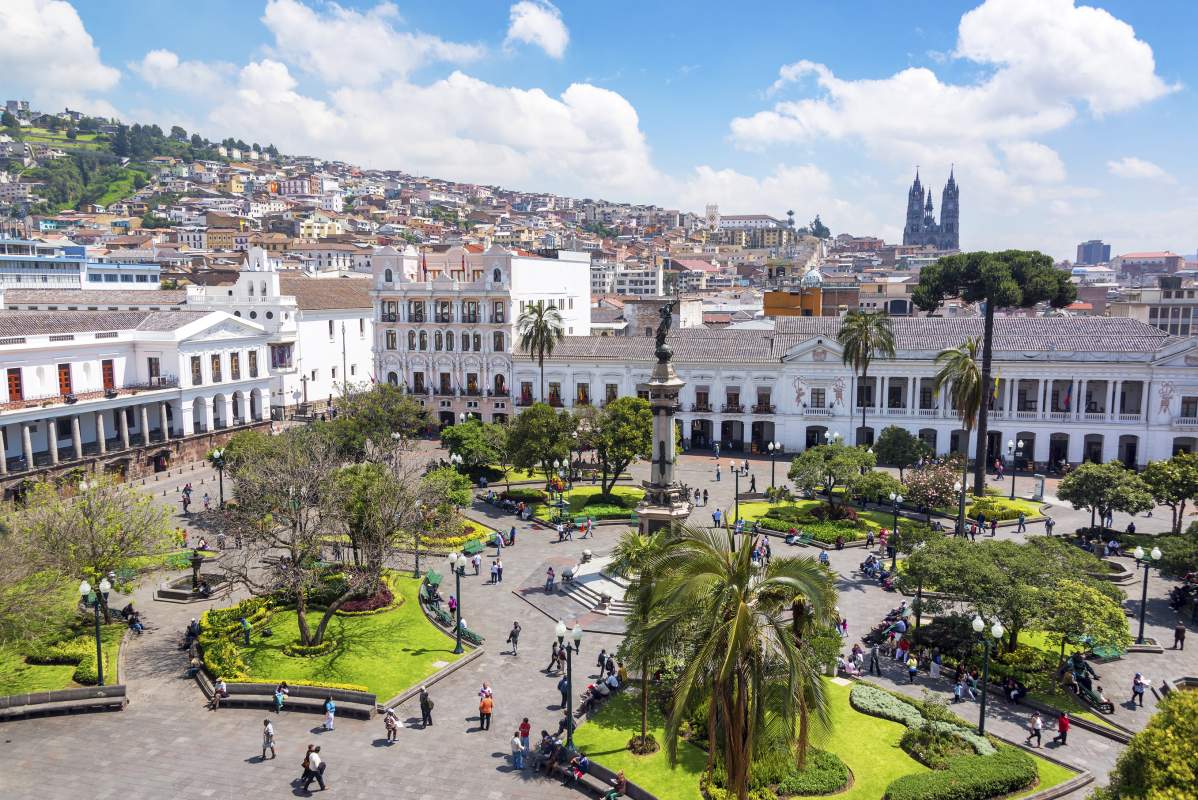
Quito, Ecuador is a unique city full of rich culture, engaging history, and beautiful scenery. Sadly, it is often overlooked, as many think of it as nothing more than a jumping off point for a trip to the Galapagos Islands. If this has been your mindset, then you’ve been missing out. Quito has a lot to offer visitors in its own right. It’s about time you experienced Quito!
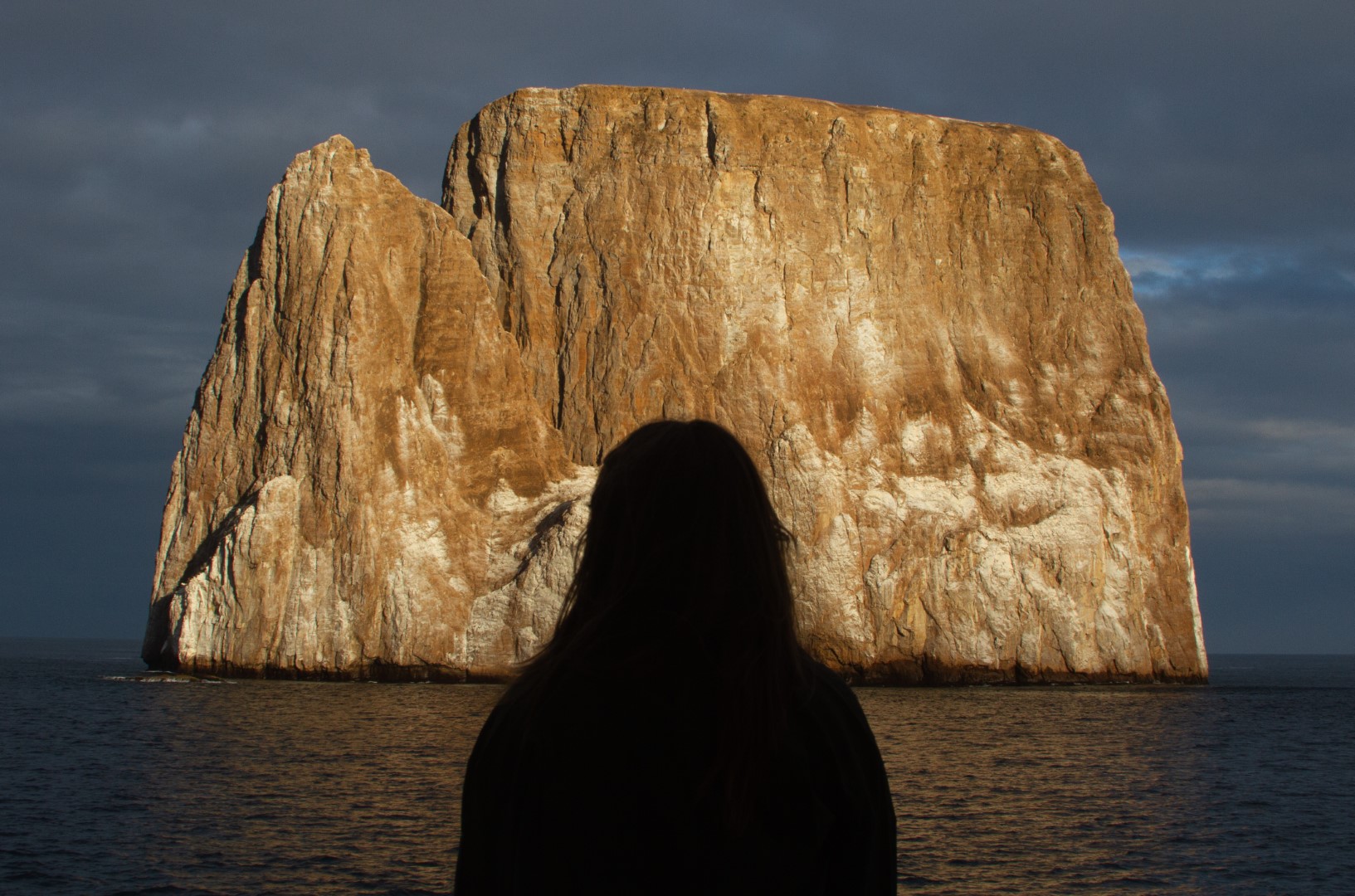
We love helping travelers plan unforgettable vacations for important milestones in life. We will help you customize your itinerary in a way that fits your budget, interests, and travel style, but that also reflects the magnitude of the occasion. We happen to know of a remarkable place that is perfect for your next special trip. Celebrate your special occasion in style with a trip to Ecuador!
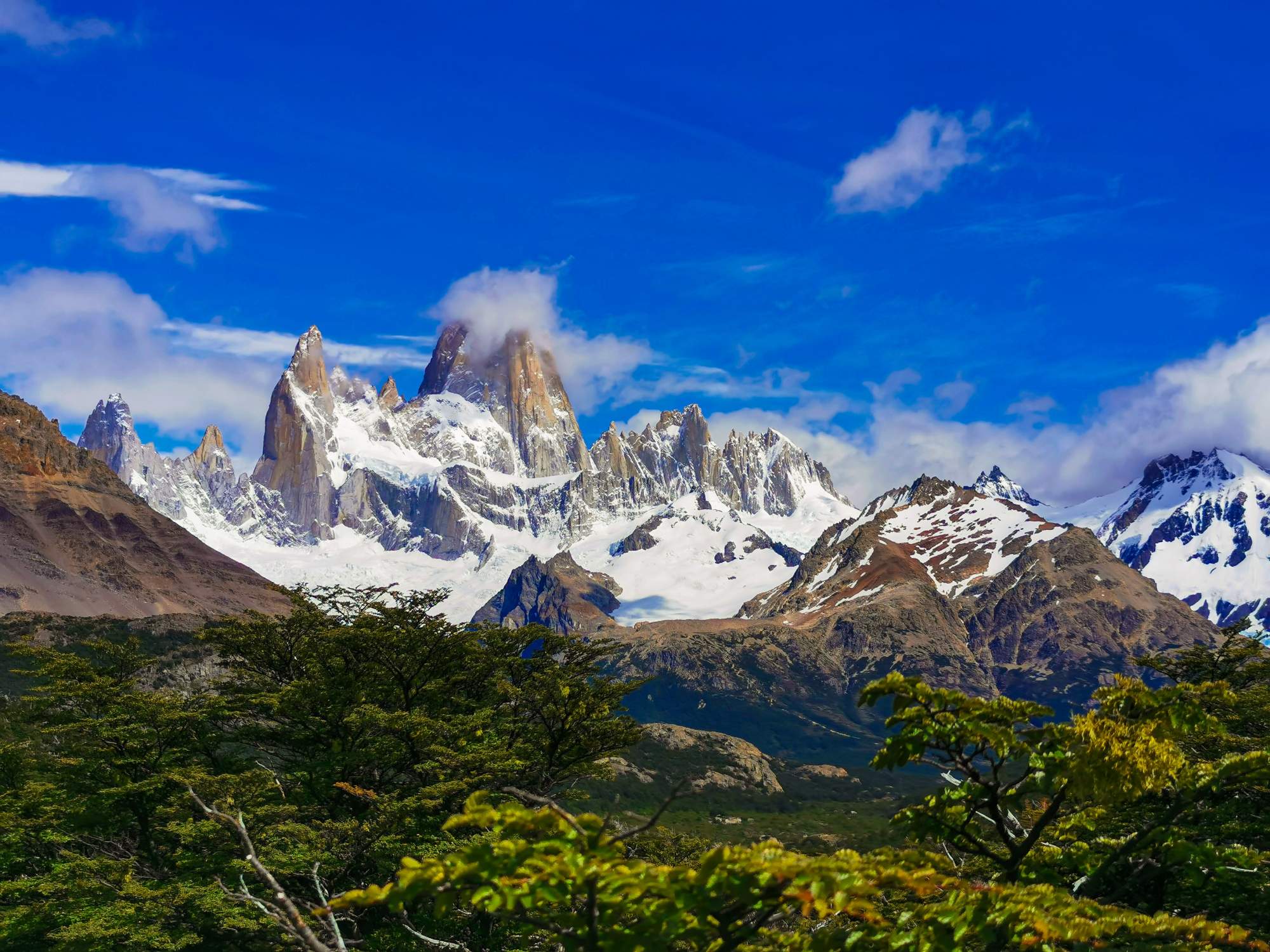
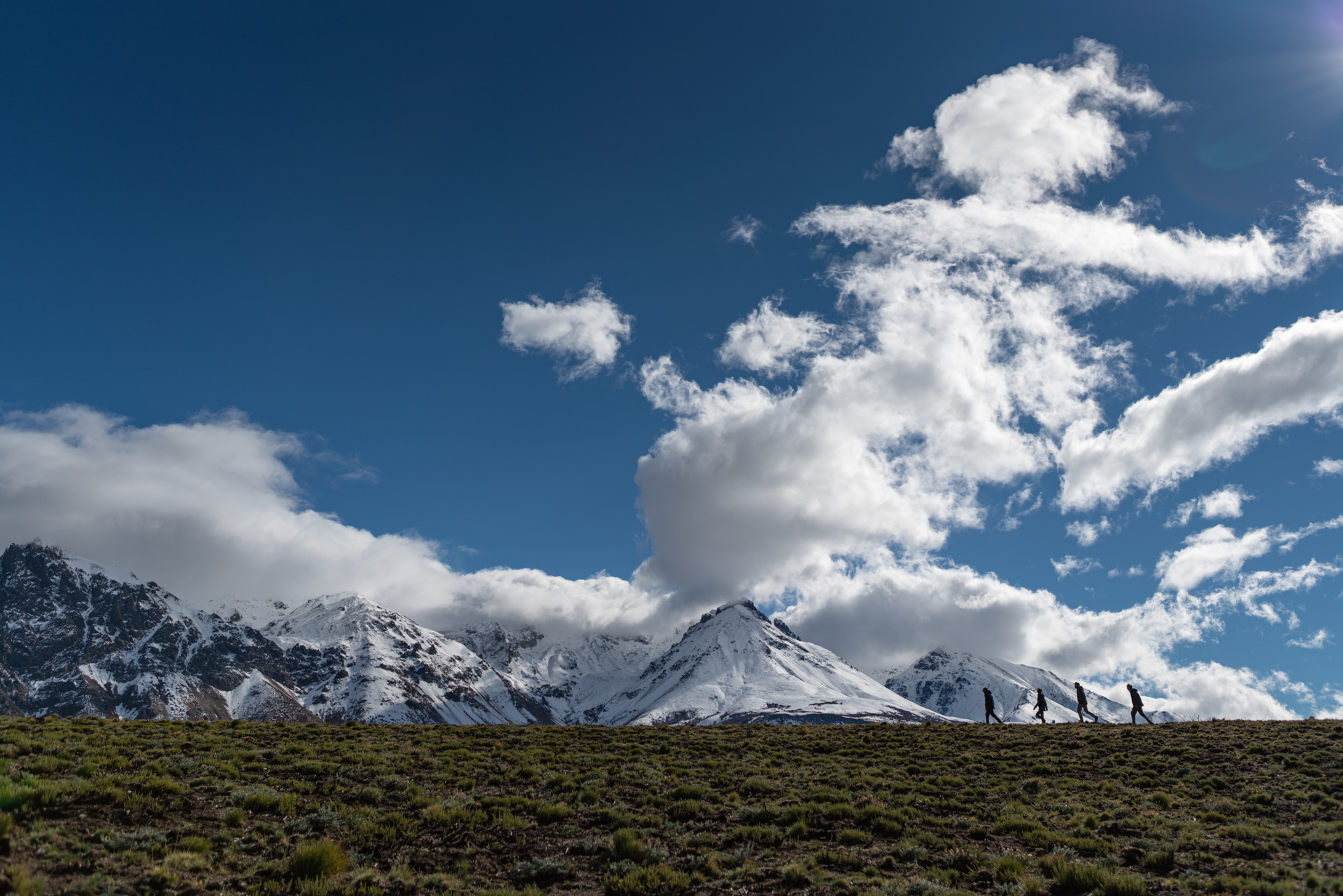
Chile’s newest national park is a stunning nature preserve, consisting of diverse landscapes, unique wildlife, and rich culture. There’s nowhere on earth that’s quite like Patagonia National Park!
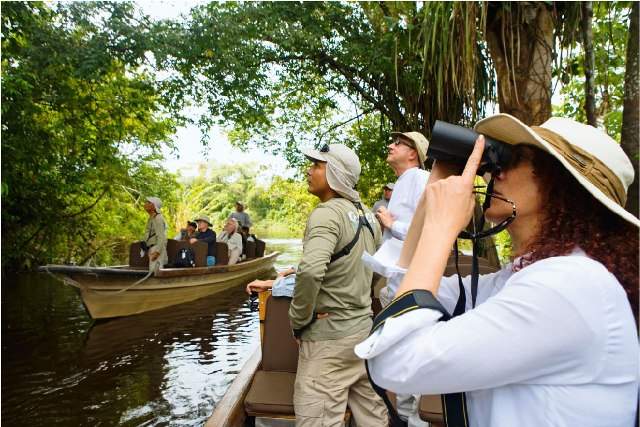
Do you have a group of people who you enjoy spending time with each week? Are you ready to change up your routine? Mix things up by planning a group trip!
“Our trip was just magical, and I would highly recommend Southern Explorations to anyone considering an eco-tour. I don’t know how it could have been better, and I can’t wait to book a trip through Southern again. Thanks so much for all your help.”
Dan Bormann - WA
Custom Private Ecuador Tour
Southern Explorations Proudly Featured in the Press and Member of the Following Organizations: