Craft Markets near Cuenca
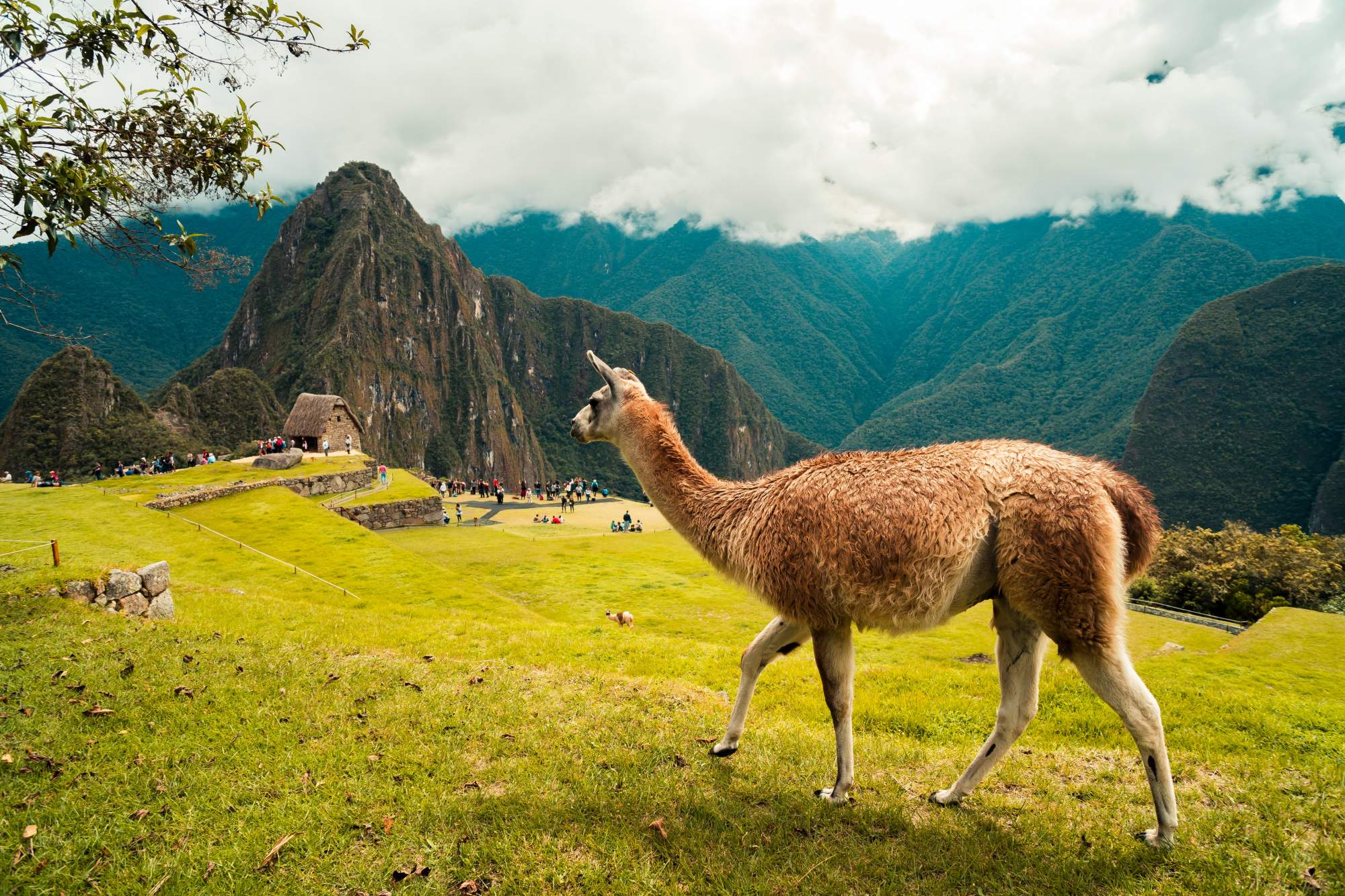
Domesticated llama and alpaca species are raised commercially
Traveling south from Cotopaxi during their travel to Ecuador, visitors will find an array of craft souvenirs in the central provinces of Canar and Azuay in the region of the country’s third largest city, Cuenca. One stop that many travelers make on Ecuador tours is Ingapirca to see the country’s most important Inca site, the ruins of a once-elaborate complex of buildings. The two-hour drive between Ingapirca and Cuenca allows craft lovers to pass through many villages of interest in looking for vacation mementos. Canar, close to the ruins, holds a Sunday market. The town of Azogues is known for its weaving of Panama hats. South of Azogues, (but on a road further west) is the village of Deleg, known for its craftsmen who weave ponchos, belts and shigra bags. The village of Paute, southeast of Azogues, produces ceramics, textiles, leather goods and jewelry. Sinincay, a few miles north of Cuenca, specializes in stone items for construction but also as decorative textiles.
Return to previous page
The Markets of Cuenca
-
East of Cuenca, the towns of Gualaceo, Choredeleg and Sigsig make a good Sunday outing to visit the craft markets of these villages. The closest of these towns, about twenty miles from Cuenca, is Gualaceo. Known for its tie-dye (Ikat) shawls and sweaters that its weavers craft on traditional looms as well as for its fedora hats, Gualaceo will also make a memorable destination for visitors on Ecuador tours who love orchids. This tiny village exports more orchids than any other place in Ecuador. You won’t be able to see all 2,500 varieties in bloom during your travel to Ecuador here but perhaps several hundred.
-
The jewelry-making technique of filigree, bending metal wire into designs that are soldered together, is known throughout the world. It was the Moors who introduced the technique to the Spanish and the Spanish who brought it to the New World. Four miles east of Gualaceo is Choredeleg, a village famous for its craftsmanship in jour filigree, intricate pieces, mostly silver, that are connected to one another but not to a base. The world’s largest indigenous-crafted earring hangs in a museum here. Visitors whose travel to Ecuador takes them to Choredeleg will also find weaving and embroidery crafts as well pottery.
-
Though named for the reeds that grow along the nearby river bank, the remote village of Sigsig is famous for what its citizens do with another straw, toquilla, used to make Panama hats. Besides seeing toquilla sold in Sigsig’s Sunday market, you may also watch the hats themselves being made by weaving cooperatives and individual craftsmen if you travel to Ecuador here. Along the way, you may wish to stop at the village of San Bartoleme, known for making stringed musical instruments such as guitars and mandolins.
-
Southern Explorations’ nine-day Ecuador Highlights trip visits Cuenca, traveling south from Quito as well as stopping at craft markets north of Quito, including the biggest craft market of them all, Otavalo, a must-visit part of the Ecuador tours itinerary for vacationers who appreciate indigenous crafts.