Keeping Chambira Crafts Sustainable
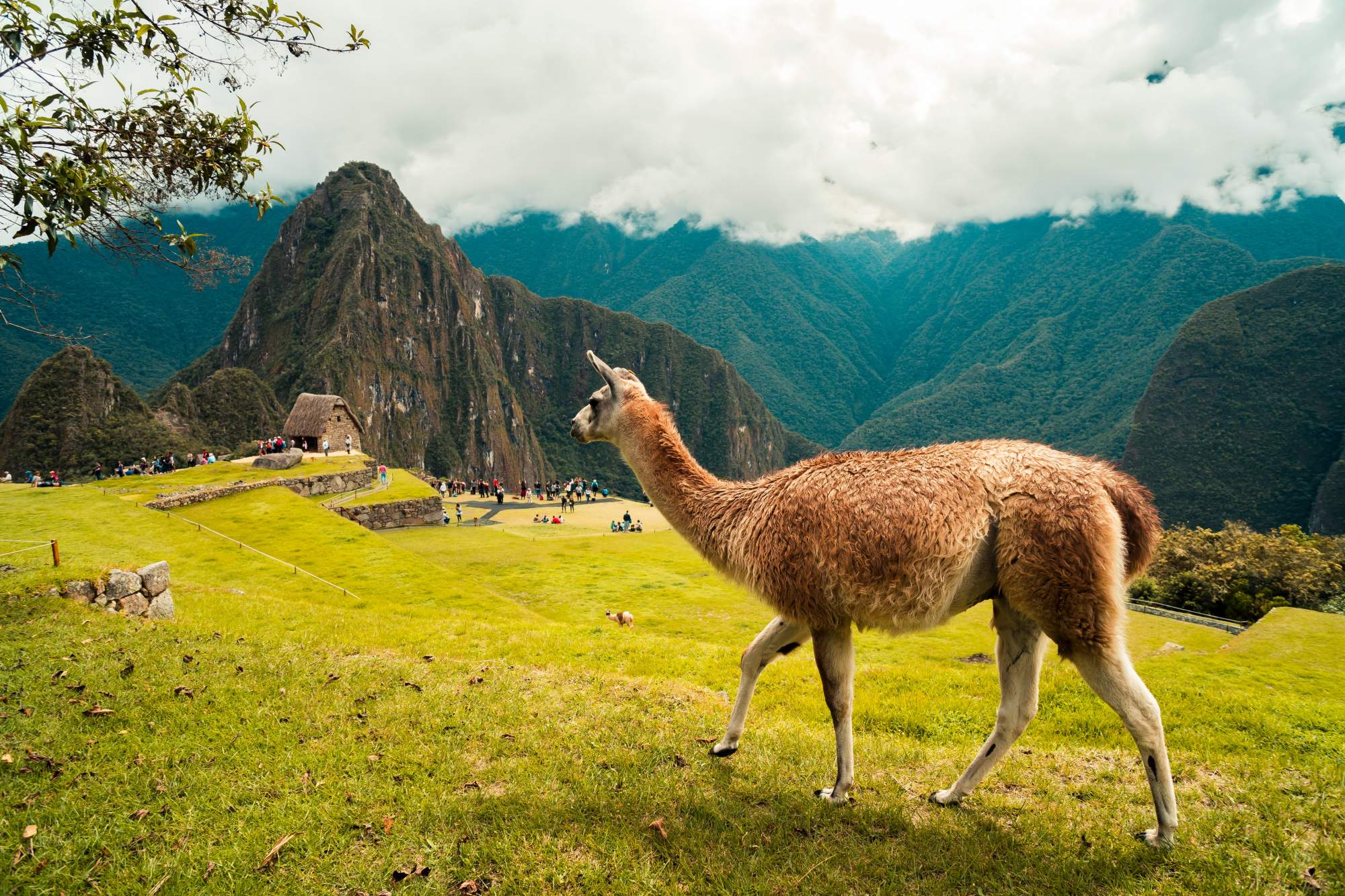
Domesticated llama and alpaca species are raised commercially
Chambira palms produce what are called non-timber forest products (NTFPs), the best known of which are the fibers used to craft the shigra bags that are carried by women around the world. International environmental organizations view keeping the harvest of chambira palm fronds sustainable as a deforestation prevention project. To those who harvest and process the fibers and who turn them into consumer goods, bringing their work to the attention of the world means more income and higher profits. It should be a marriage made in heaven, but the reality is more complicated.
Return to previous page
Chambira Crafts
-
Though the chambira palm is plentiful in the rainforest, the weavers must compete with other industries that make use of the trees. Though not as popular as the fruit derived from other palm species, the green hard-shelled chambira nut is edible and its liquid endosperm popular as a colonic. Chambira fronds are also used in making thatched roofs. For these alternative purposes, it is necessary or at least more economical to cut down the tree rather than preserve it.
-
If you are going to harvest the fruits or fronds of tall chambira palms, you have two choices. You can climb the tree to reach the fruit or fronds you are after, or you can cut down the whole tree. It doesn’t help that the trunk of the chambira is covered with sharp two to eight-inch long thorns. Whether harvested for fruit or fiber, the chambira, like the rose, it is not an easy plant to cultivate without getting injured. For the health of the tree, it is better to allow some of the new shoots to continue growing, but it is tempting to take them all while you are up there. Since new leaves sprout throughout the year, fronds may be harvested three or four times a year. The argument for sustainability is nowhere more counter-intuitive than here in the rainforest where the chambira cutters work with the prickly plant, far from the headquarters of the environmental organizations that promote these rainforest-saving strategies.
-
With the help of charitable foundations, the regional government of Loreto in the Peru Amazon has organized groups of weavers to enable them to produce a sufficient volume of goods for export. They have also helped to develop a market for the chambira baskets produced here, popular among the craft stores of museums and where other arty patrons shop.
-
While more lucrative, weaving for export under such programs at much higher volumes does not necessarily increase the enthusiasm among craftswomen for this tedious work which in some locales would otherwise be undertaken as a leisure pastime scheduled around other work. Greater demand for the products leads to more palm leaves being extracted. Forsaking other work to focus on chambira crafts, especially shigras, is not without risk since it relies on unpredictable demand that may change with the whim of international fashion and design.
-
Various organizations, including the Chicago-based Rainforest Conservation Fund, have sponsored tree-planting initiatives and education programs about sustainable growing practices. They urge villagers to refrain from cutting all the new shoots and encourage them to plant the species in their own private gardens to reduce the pressure on the chambiras growing in the wild.
-
To learn more about the challenges of making the harvesting of chambira palms sustainable before you travel to Peru or visit the Ecuador Amazon Rainforest, read “Use of the chambira palm (Astrocaryum chambira) in rainforest communities of the Peruvian Amazon,” by the Student Summer Scholars Program of Grand Valley State University, one of the sources for this article.