Panama Hats, the Prelude
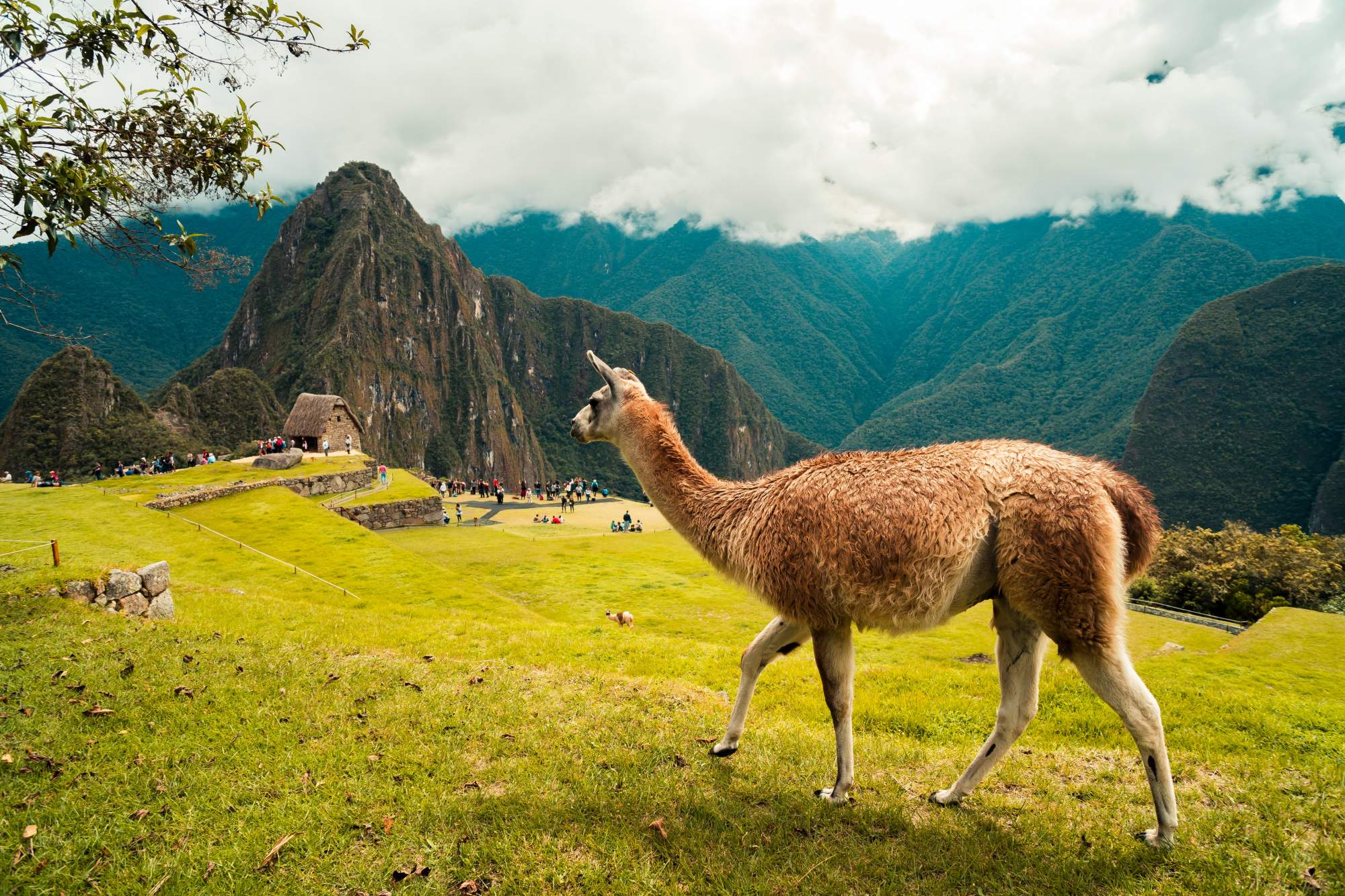
Domesticated llama and alpaca species are raised commercially
The Panama is a hat of many names, though Ecuador hat is not one of them. The hat is sometimes referred to as a Montecristi, one of the historically important towns in the coastal province of Manabi where the Ecuador straw hat originated. Montecristi continues to be a term synonymous with the highest of quality in Panama hats just as the Cuenca straw hat is named for another important city with a long tradition of weaving, denoting a fine straw hat but not as fine as the Montecristi.
Return to previous page
The Panama Hat
-
Besides its rich and romantic history, what distinguishes the Panama from other straw hats is its tight weave. The best of Panama hats are woven so finely that until you examine one closely, you can’t see the weave, and even when you can, it is so perfect that to the uneducated eye, it seems machine-made. The hat’s thinness belies its strength and durability. Pour water into a high-quality Panama hat, and the water will stay put.
-
To make a Panama hat, one must first make the straw that comes from the toquilla plant, a perennial herb that looks like a palm but isn’t. During the rule of King Charles IV of Spain, the species was renamed the Carludovica palmate in his honor, but only botanists call it that.
-
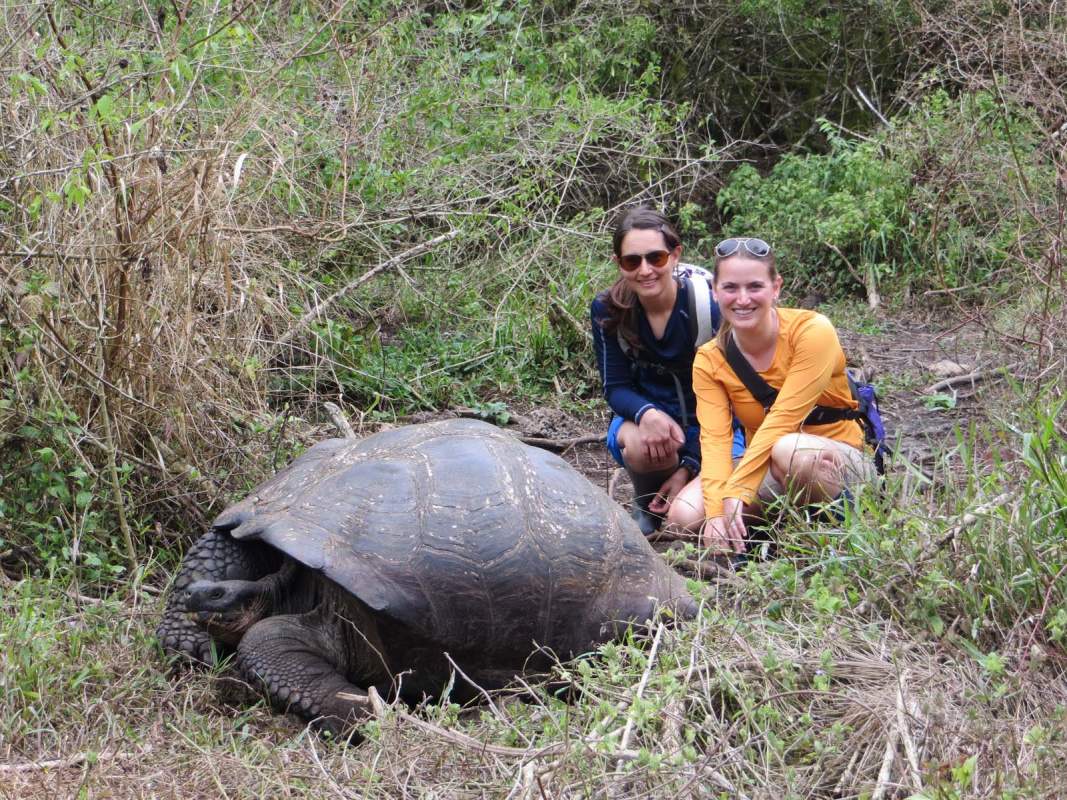
The toquilla is a trunk-less species that grows in the hot, humid lowlands of coastal Ecuador. The provinces of Guayas and Manabi where toquilla plantations are plentiful are north of the port city of Guayaquil, a stop many visitors make for their flight from mainland Ecuador to start their Galapagos Islands cruises. Hats are not the only products woven from toquilla. The straw is also made into strong mats, baskets, purses and other items. These too make unique, toquilla souvenirs, though nothing says travel to Ecuador so stylishly as a Panama hat.
-
Toquilla leaves grow from the ground and split at the top into two halves. The leaves are cut when the stock is about three to four feet long. The young toquilla are harvested year-round by cutters called pajeros, timed when conditions of lower humidity allow the stocks to be cut more easily with a machete. After leaving the fields, the stocks are cut into narrow strips, and then boiled, turning the fibers limp and darker than their original color. After washing the strands, they are allowed to dry in the wind, a process that causes them to role horizontally.
-
Once dry, the strands are divided according to color, size and quality which will ultimately determine the hat’s price. Bundled, the fibers are ready to be distributed to their next buyers who will put them in the hands of the craftsmen who begin the process of turning the straw into hats. The hat’s Ecuador tours are not over. It is the beginning of a very long journey that will take the fibers to the Andes and perhaps end in Paris.