© 2005-2011
World Wide Explorations, Inc.
Website design and programming
TerraRhythm
Media for Vibrant Change
When the Humboldt Current reaches northern Peru, it veers west towards the Galapagos Islands. Upwelling brings an abundance of plankton to the surface. Because some of the species that travel to the Galapagos Islands prefer warmer temperatures and needn’t breed according to the climate, whale watching in the Galapagos Islands is a year-round activity, and more exciting than some places too, since calves may be born at any time. July is the peak month to see whales and dolphins here.
Many baleen whale species pass through the waters of the Galapagos Islands from time to time, including blue, sei, humpbacks and southern minkes. Of the baleens, Bryde’s whales are the most likely species that visitors will see during their travel to the Galapagos Islands. Humpbacks stop by in June during their winter migration. Orcas, short-finned pilot whales and smaller toothed species such as the bottlenose and common dolphins are also frequent visitors.
The Cromwell Equatorial Sub-current passes the west side of the archipelago attracting a myriad of marine species, including whales. This makes the islands of Isabela and Fernandina great whale watching spots, especially for Bryde’s whales and sometimes for orcas in Canal Bolivar where the coolest waters of the archipelago are found.
The Galapagos Islands are a breeding ground for the sperm whale from April to July and are most likely to be seen on Galapagos Island cruises that visit the northern outlying island of Genovesa.
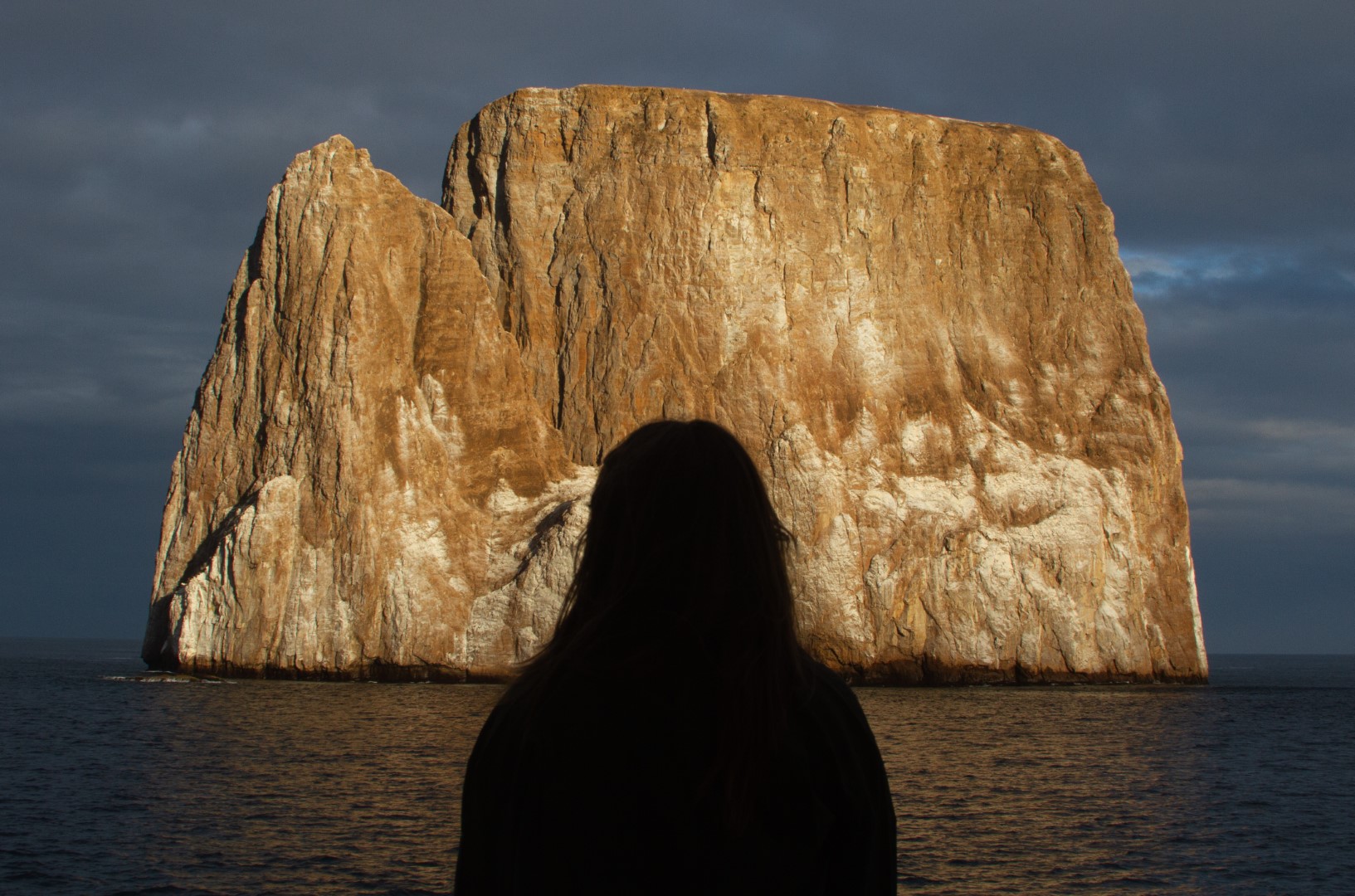
Bottlenose dolphins and orcas are naturally curious and approach vessels, allowing visitors on Galapagos whale watching trips to get close-up views. These toothed species travel in groups, making for an unforgettable experience. Bottlenose dolphins are found most abundantly around SAN CRISTÓBAL Island and nearby Roca Leon Dormido. On the east side of the Galapagos Islands, they are seen close to shore or in deeper water where they may swim along with vessels on Galapagos cruises. Southern Explorations’ nine-day Galapagos Hiking Adventure and Galapagos Multi-sport trips as well as the twelve-day Andes, Amazon and Galapagos Multi Sport trip travel to this location.
Some Galapagos cruise itineraries include both of these locations while others visit the right islands but not the specific area where whales and dolphins are likely to be seen. As you will see by examining the itineraries of our many Galapagos cruises, not all vessels specify which areas of each island are visited. Some cruise ships offer specialized itineraries that include a day or more of their itineraries called Busqueda de Ballenas to look for whales. Discussing whale watching with our staff will ensure that your route and mode of travel includes the best opportunities to witness these fascinating species in the greatest numbers. To observe other species of whales, you may wish to consider travel to Argentina, and Chile, Antarctica tours or our Central America trips. See our articles about whales in these locations for more details.
CALL
1.877.784.5400
TOLL FREE
OUTSIDE
THE U.S.A. CALL
1.206.784.8111