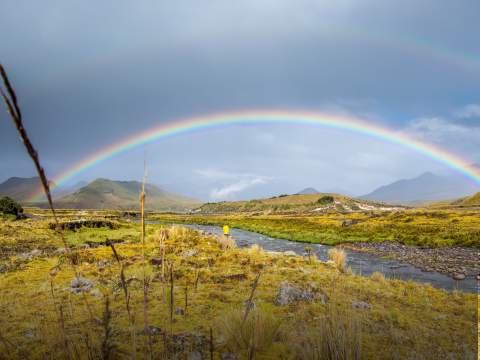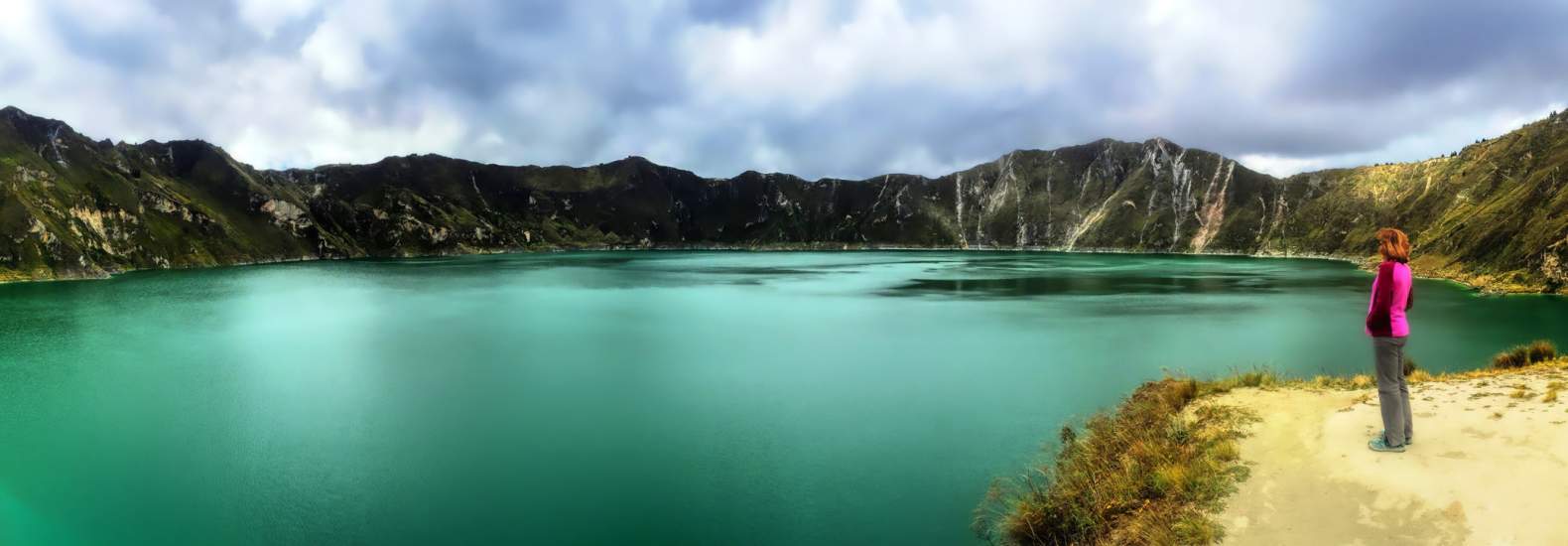

Plan the trip of a lifetime to Ecuador with our well-traveled team of experts. Work closely with your Southern Explorations' travel specialist to build a first class tailor-made tour over the dates of your choice. Looking for the ideal adventure destination? Ecuador might just be the place for you. The Andes offer spectacular hiking and mountain biking, the Amazon provides unexpected rafting opportunities, while the Galapagos gives you incredible volcanic trekking.
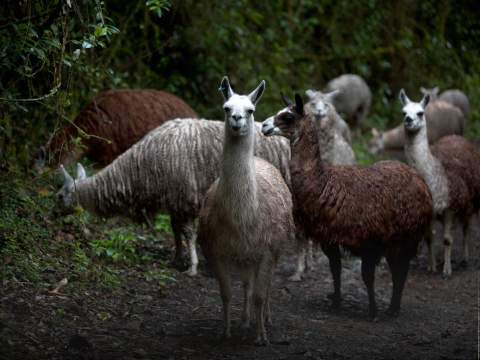
Not to mention the fact that no country on earth packs in more wildlife per square mile, and it could also be said no country on earth has a greater respect for wildlife. As the first country to ever recognize the rights of nature, Ecuador’s appreciation for flora and fauna is reflected in nearly every element of your Ecuador experience.
• Peruse the market at Otavalo, famous for the indigenous woven textiles, which includes handmade blankets, tablecloths and more
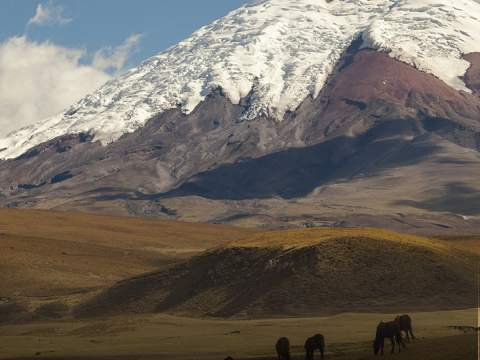
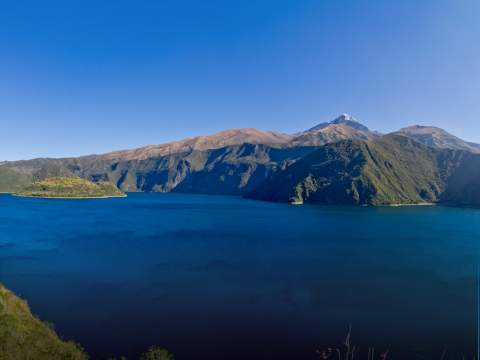
• Stand in the shadow of Cotopaxi, one of the world’s highest active volcanoes
• Explore Quito’s Old Town, the largest, least-altered and best-preserved historic center in the Americas and a UNESCO World Heritage Site
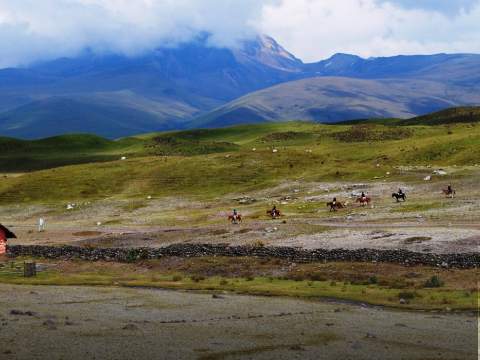
• Mountain bike the Avenue of the Volcanoes, a 200-mile stretch running between parallel cordilleras and containing seven peaks of more than 17,000 feet
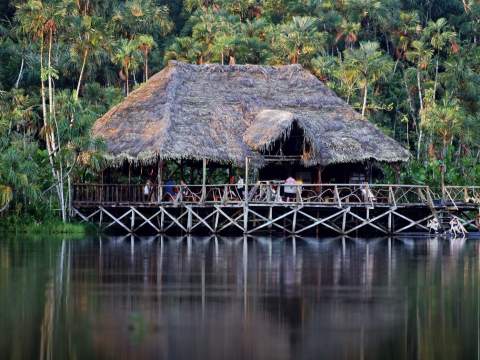
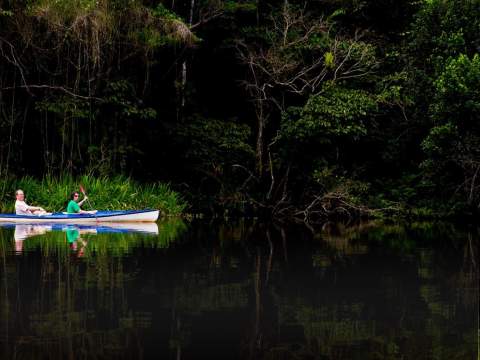
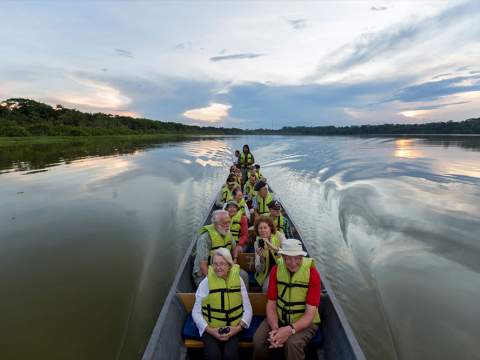
• Tackle the Amazon by water or from above. Whitewater raft the jungle’s headwaters or take a canopy tour through the jungle
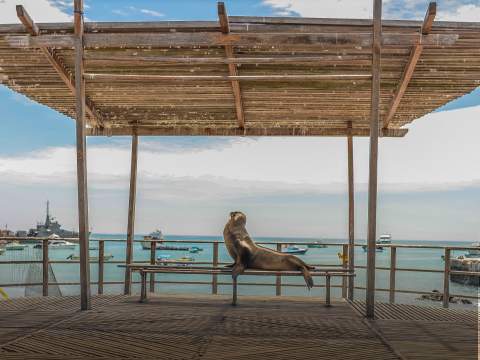
• Take in the amazing wildlife of the Amazon, the cloud forest canopy and the legendary Galapagos Archipelago
• Shop for panama hats, which ironically enough originated in Ecuador and not Panama, as well as silver in colonial CuencaWe invite you to view our sample itineraries below, but looking to customize your travel? It's easy! Give us a call today at 206-784-8111.
Not to mention the fact that no country on earth packs in more wildlife per square mile, and it could also be said no country on earth has a greater respect for wildlife. As the first country to ever recognize the rights of nature, Ecuador’s appreciation for flora and fauna is reflected in nearly every element of your Ecuador experience.
We invite you to view our sample itineraries below, but looking to customize your travel? It's easy! Give us a call today at 206-784-8111.
Our Favorite Ecuador Moments
• Peruse the market at Otavalo, famous for the indigenous woven textiles, which includes handmade blankets, tablecloths and more• Stand in the shadow of Cotopaxi, one of the world’s highest active volcanoes
• Explore Quito’s Old Town, the largest, least-altered and best-preserved historic center in the Americas and a UNESCO World Heritage Site
• Mountain bike the Avenue of the Volcanoes, a 200-mile stretch running between parallel cordilleras and containing seven peaks of more than 17,000 feet
• Tackle the Amazon by water or from above. Whitewater raft the jungle’s headwaters or take a canopy tour through the jungle
• Take in the amazing wildlife of the Amazon, the cloud forest canopy and the legendary Galapagos Archipelago
• Shop for panama hats, which ironically enough originated in Ecuador and not Panama, as well as silver in colonial CuencaWe invite you to view our sample itineraries below, but looking to customize your travel? It's easy! Give us a call today at 206-784-8111.