Guanaco Reserves of Argentina
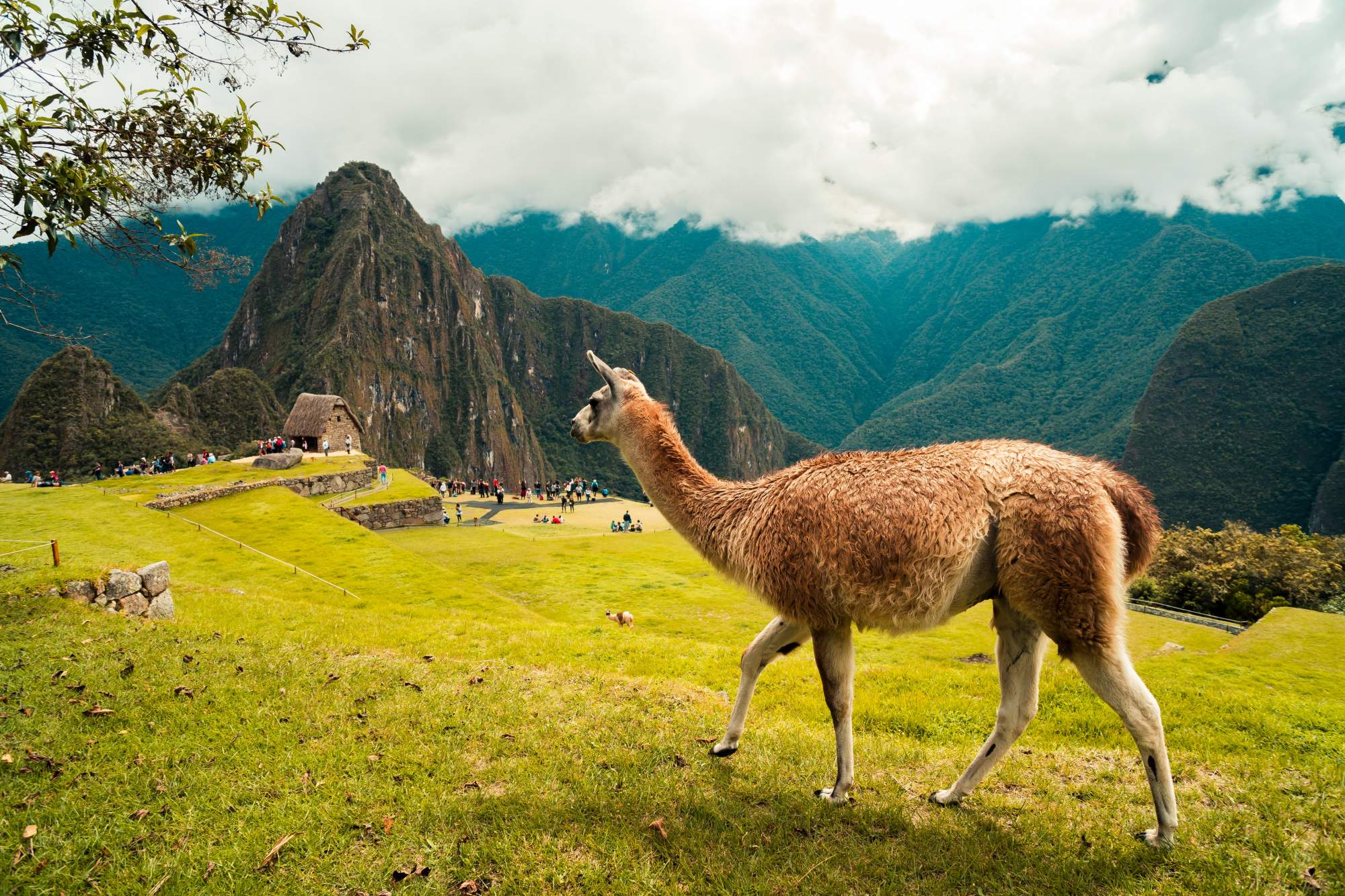
Domesticated llama and alpaca species are raised commercially
Almost all of the world’s remaining guanacos reside in Argentina. To protect the one guanaco subspecies that inhabits the country, the government has established fourteen guanaco reserves, more than any of its neighbors. The protected areas include national parks and territory overseen by local jurisdictions as well as privately held lands. The densest concentrations of guanacos are found in northern Argentina’s Tarapaca region, though most of the guanacos inhabit Patagonia, scattered over many areas, making both destinations prime areas for visitors on Argentina tours to encounter the species. Guanacos have even found their way to the Falkland Islands, 300 miles off Argentina’s southern coast, shipped there in the 1930s where today a population of some 400 animals lives.
Return to previous page
Guanaco Reserves
-
Though the species also once roamed the Chaco region east of the Andes in northern Argentina, it is almost extinct there today. Guanacos that inhabit northern Argentina are found in the west, mostly in national parks. Guanacos inhabit some but not all areas of 158,000-acre Los Cardones National Park in Salta Province, Talampaya National Park, a UNESCO World Heritage Site in La Rioja Province, 180,000-acre El Leoncito National Park in San Juan Province, 182,000-acre Sierra de las Quijades National Park in San Luis Province and 188,000-acre Lihue Calel National Park in La Pampa Province. Further south, visitors on Argentina tours will find guanacos occupying vicuna territory such as in the Laguna Brava Provincial Reserve in La Rioja Province and San Guillermo National Park in San Juan Province.
-
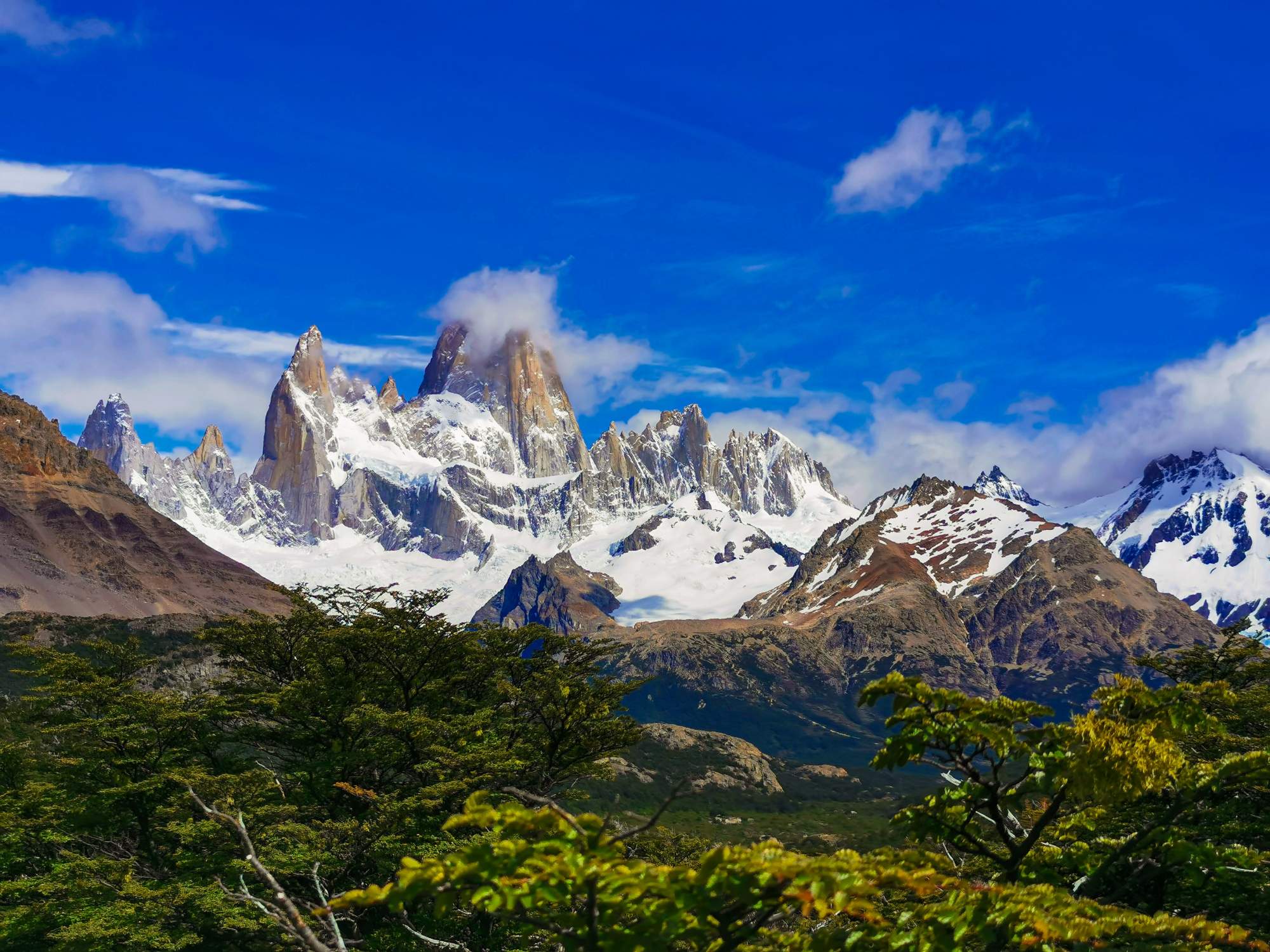
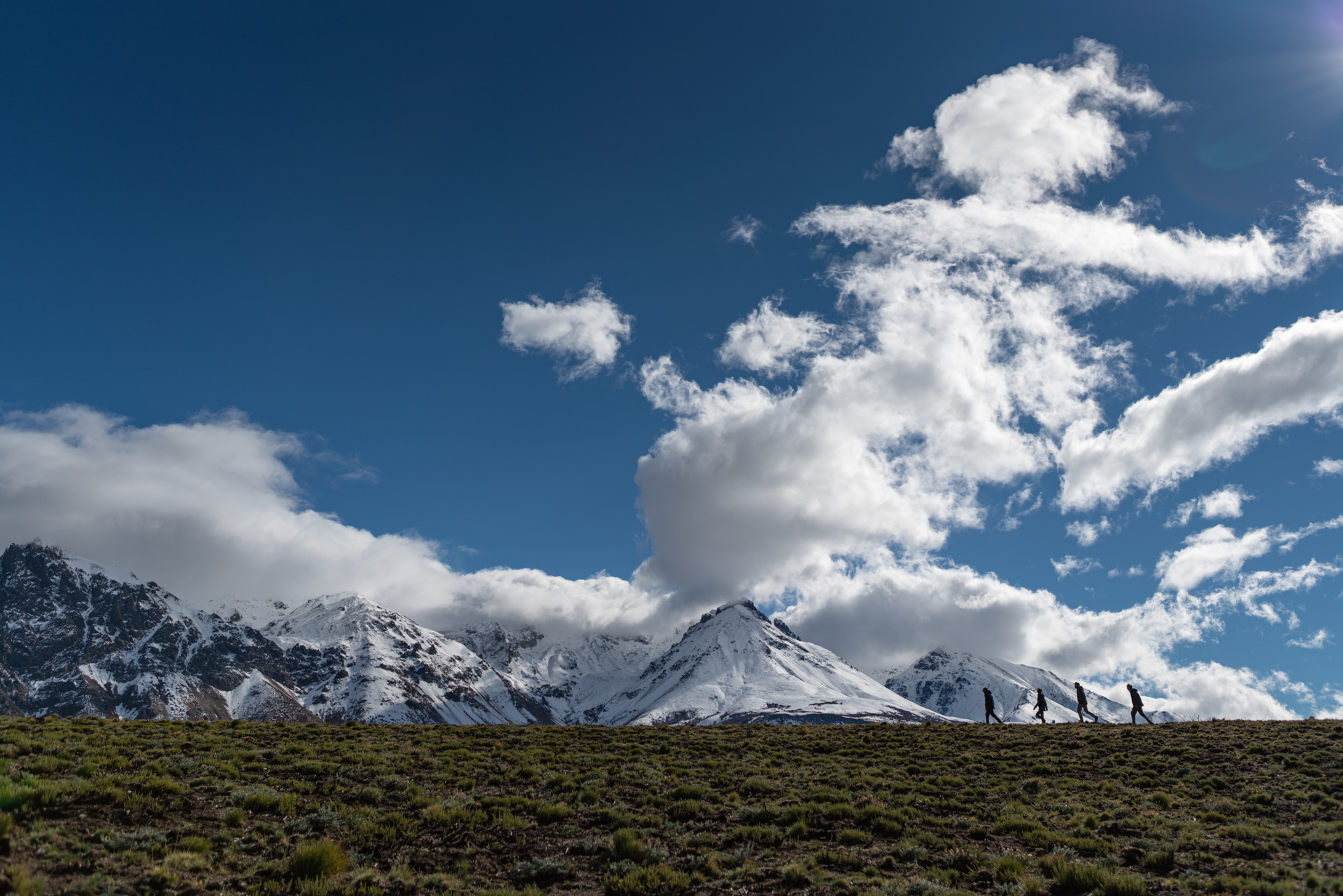
Three-quarters of the country’s guanacos inhabit the Patagonian steppe found in the country’s southern areas, among them some popular ecotourism destinations for those who travel to Argentina. In Neuquén Province, guanacos inhabit the eastern portion of immense Nahuel Huapi National Park in the park’s higher elevations. Further south, visitors on Patagonia hiking tours will also see guanacos on the Belgrano peninsula and Cerro San Lorenzo north of Perito Moreno National Park as well as on the eastern side of the park itself, in the steppe regions of popular Los Glaciares National Park and in the land areas of the coastal marine park, Monte Leon National Park in Santa Cruz Province. Most of Patagonia’s guanacos inhabit the southern tip of Argentina in Tierra del Fuego where Tierra del Fuego National Park is a popular summer grazing grounds for the species.
-
In addition to Argentina’s national parks, guanacos are found in a number of other protected areas of southern Andean steppe. In Mendoza Province, these locations include Aconcagua Provincial Park, the area around Mt. Tupungato and La Payunia Provincial Reserve that spans over a million acres and is home to between 11,000 and 15,000 guanacos; and in Neuquén Province, Auca Mahuida Provincial Reserve, Domuyo Provincial Park which is also home to vicunas, and further south, El Tromen Provincial Park.
-
In coastal Southern Patagonia, another place to see guanacos is mammoth 1.6 million-acre Meseta de Somuncura Reserve which spans Rio Negro and Chubut provinces. Most tourists on Argentina tours who travel to Patagonia via coastal Chubut Province’s Valdes Peninsula include the destination in their itinerary primarily for its marine wildlife, including the Southern Right whale and orcas. On the peninsula itself, visitors will see guanacos on a private 15,000-acre reserve located there. Guanacos also live in the 124,700-acre Ria Deseado Nature Reserve, a popular destination for visitors on Patagonia tours who come here to explore the wetland habitat in Santa Cruz Province.
-
Setting aside reserves safeguards guanacos from hunting and over-grazing by domesticated farm animals, yet the eco-system that guanacos inhabit is fragile, and the species cannot be saved from all threats. Though protected in the 2,965-acre Cabo dos Bahias Provincial Reserve in Chabut Province, located 165 miles southeast of Trelew, in 2000, most of the guanacos there died of parasites and starvation.