Protecting the Guanacos of Chile
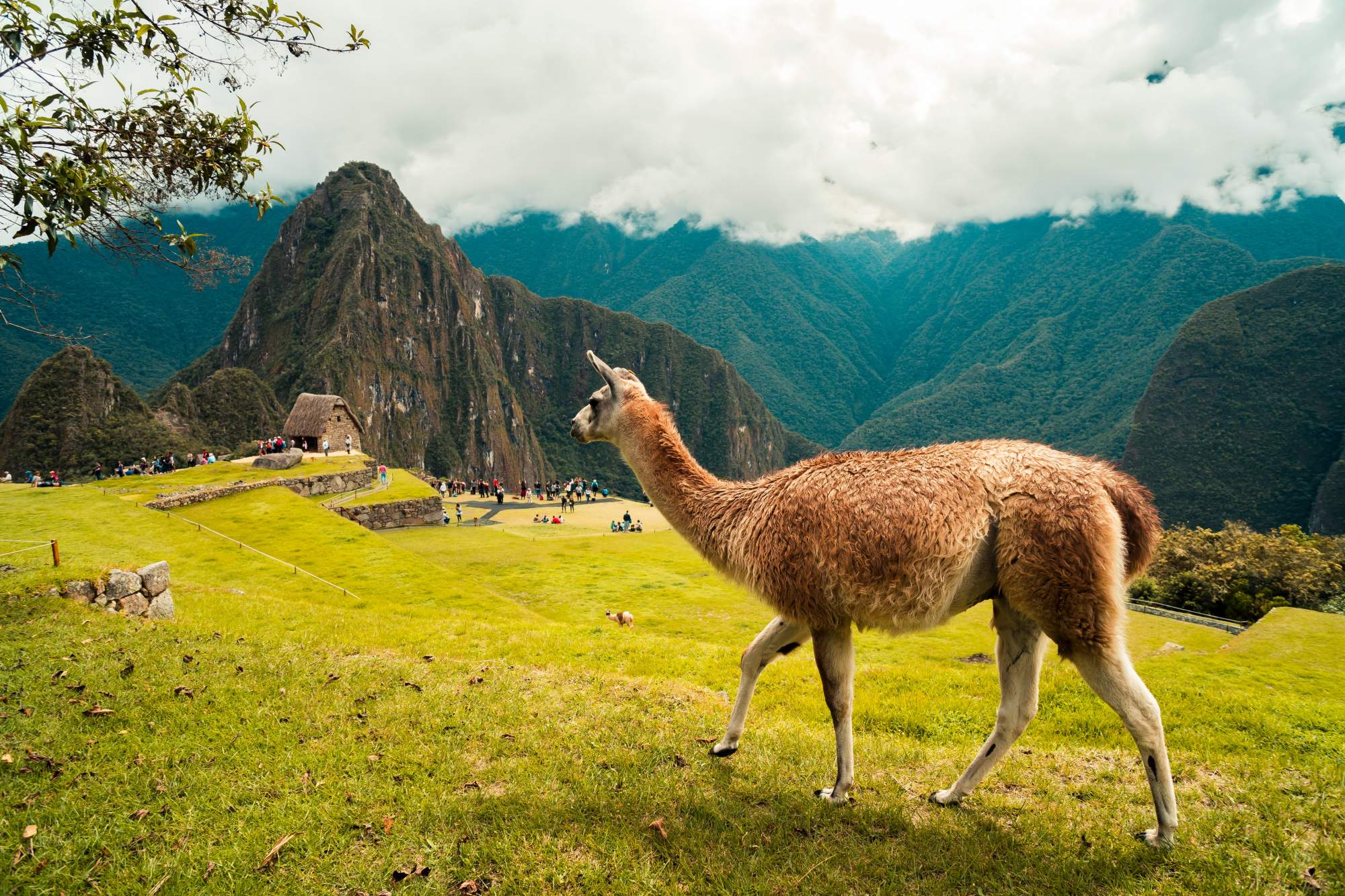
Domesticated llama and alpaca species are raised commercially
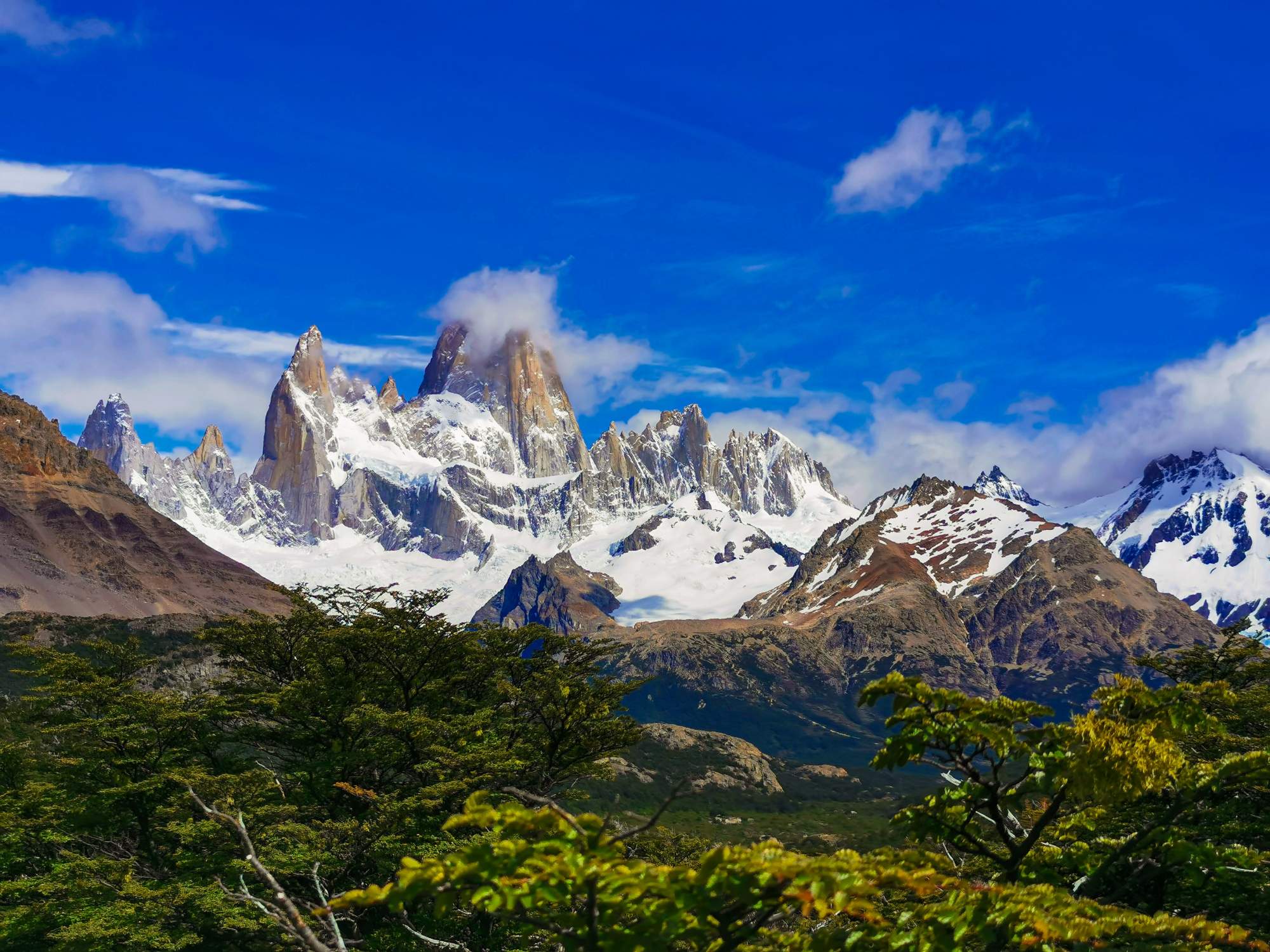
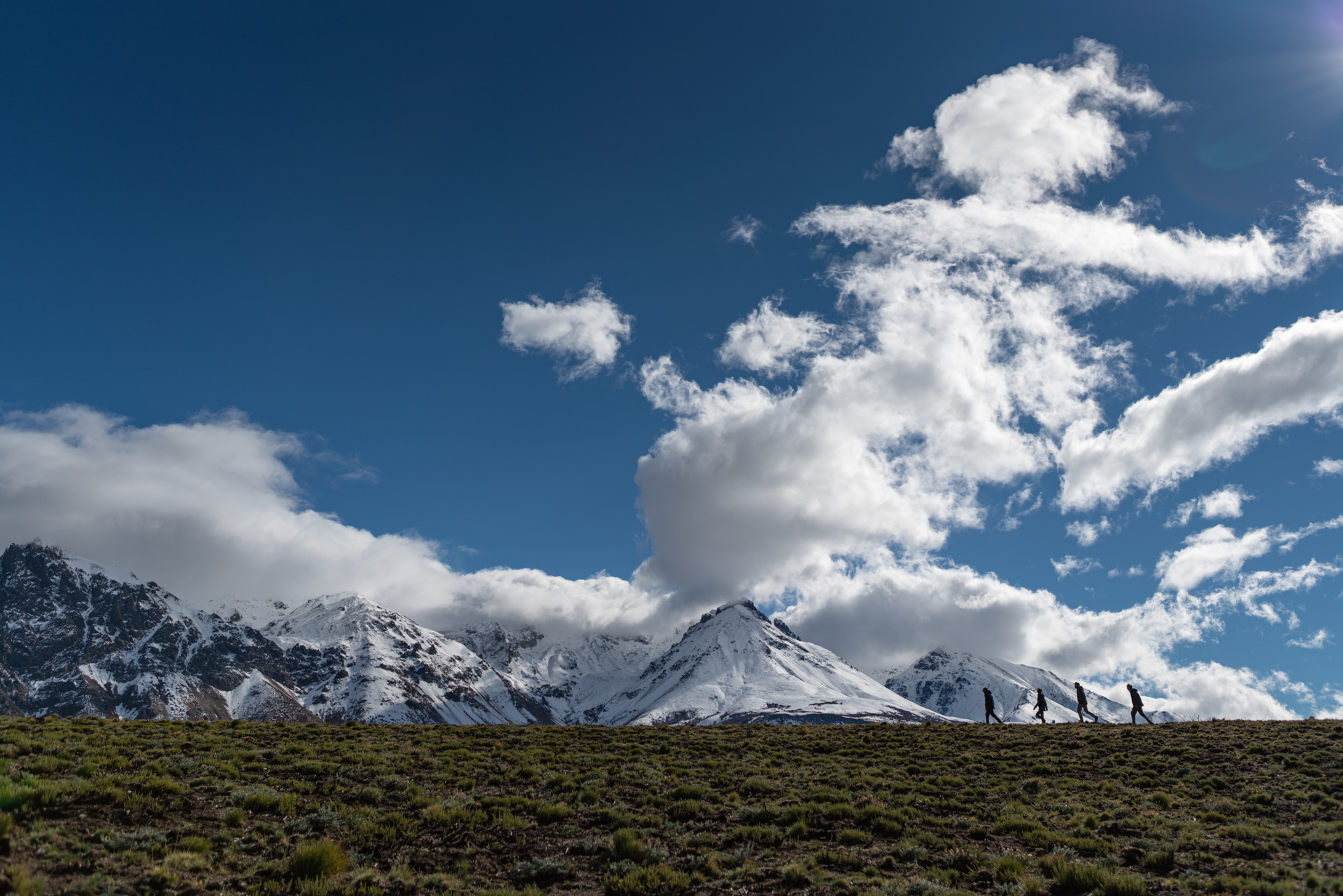
By the 20th century, shrinking habitat and over-hunting had reduced the guanaco population of Chile almost to extinction. Three of the four identified subspecies of guanacos thought to inhabit Chile, one of which is found only there. Visitors who travel to Chile for a Patagonia hiking vacation may encounter guanacos, especially if their Chile tours include the eastern and southern parts of the region. Chile began its program to save the guanacos in the 1970s. The government has established four reserves specifically for guanacos, and several of the country’s national parks also protect them.
Return to previous page
Protecting Guanacos
-
Almost all of the land that the government has set aside for guanacos is located where the largest populations inhabit, in Chile Patagonia. This conservation effort has been aided by other governments as well as international environmental organizations such as the Wildlife Conservation Society and Conservacion Patagonica, an American environmental organization. Thanks to these cooperative efforts, the amount of land protected in this region, important to the survival of the guanacos, has been able to expand.
-
With funding from the European Commission, a joint project between the governments of Chile and Great Britain has been underway since 2000 to study and further the cause of sustainable management in five protected areas of the Aisen region: Laguna Rafael National Park and the national reserves of Lago Jeinmeni, Lago Cochrane, Las Guaitecas and Katalalixar. Conservacion Patagonica is working in the same area to establish a new Patagonia National Park, part of which is territory purchased by an American businessman that Chile designated as Pumalin National Park in 1997.
-
Thanks to a 2004 donation by the American corporation, Goldman Sachs, the Karukinka Reserve protects the 1,156 square miles on the Grande Isla of Tierra del Fuego where most of the region’s guanacos are located. With ongoing funding from Goldman Sachs, scientists are conducting research on the species here.
-
Though hunting of guanacos was outlawed in Chile in 1972, poaching remains a problem. The total population of Chile’s guanacos has increased sufficiently over the past four decades that the status of the species has been reclassified from endangered to vulnerable. Some are calling for Chile to develop a national policy to manage its protected wildlife and habitat. The action is necessary they say to ensure that the country’s established objectives are met and to coordinate conservation efforts undertaken within its borders by private entities and provincial governments. Such coordination is especially important in areas where protected areas abut ranch lands in private hands where wildlife policies are viewed differently by environmentalists and ranchers. To make the most of private investments that have been made in Chile to protect its ecosystems, private-public collaboration is essential.