Protecting the Vicunas of Argentina
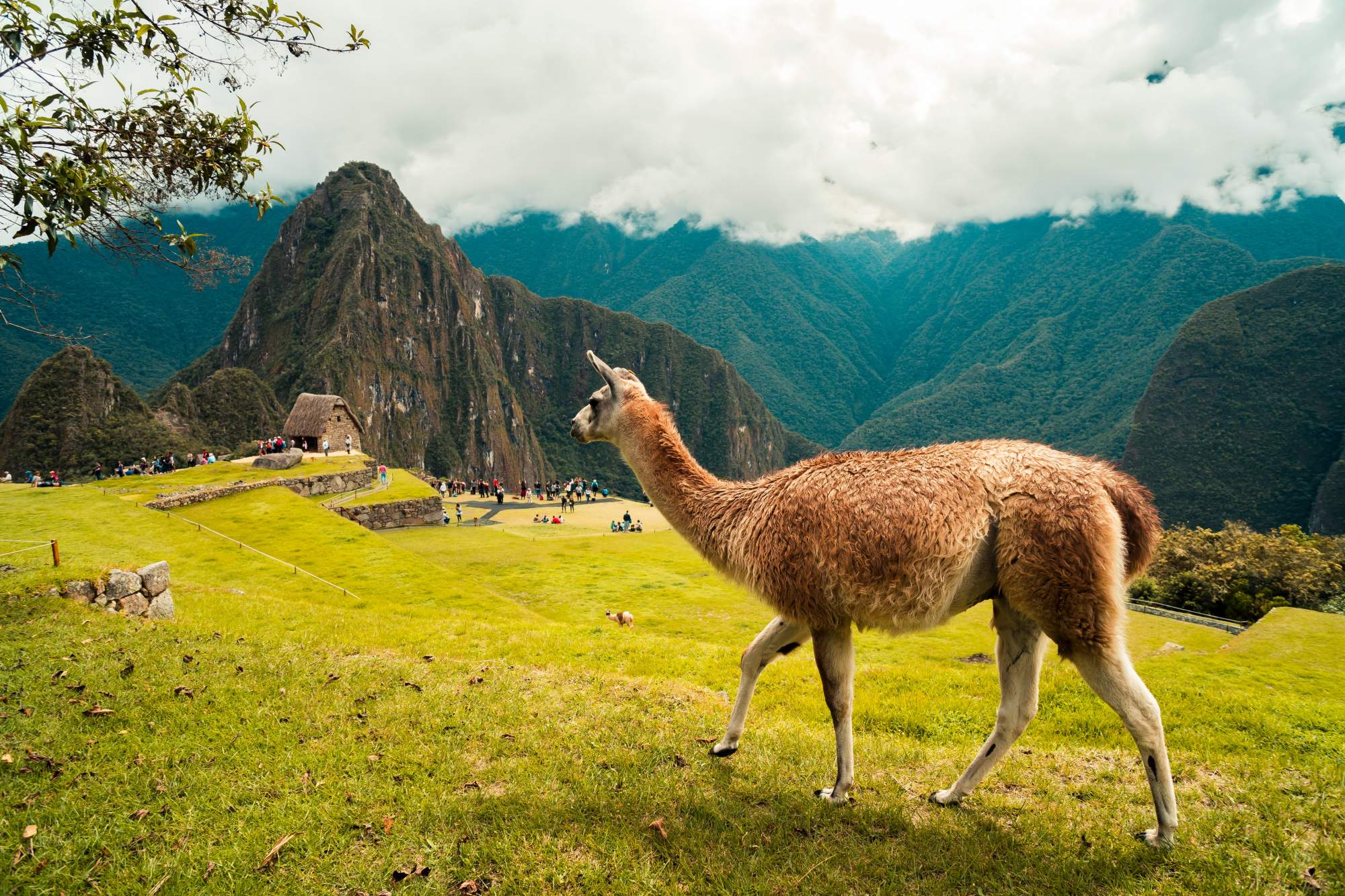
To protect the Vicunas, the Argentinian government designated ten reserves, six of which are located in the country’s northwest region
Like other South American countries, Argentina has taken steps to preserve and increase its wild vicuna population. The government agency, the National Secretariat of Environment and Sustainable Development, coordinates Argentina’s vicuna conservation efforts though oversight may shift to the government agency that regulates agriculture and cattle farming.
Return to previous page
Protecting the Vicunas of Argentina
-
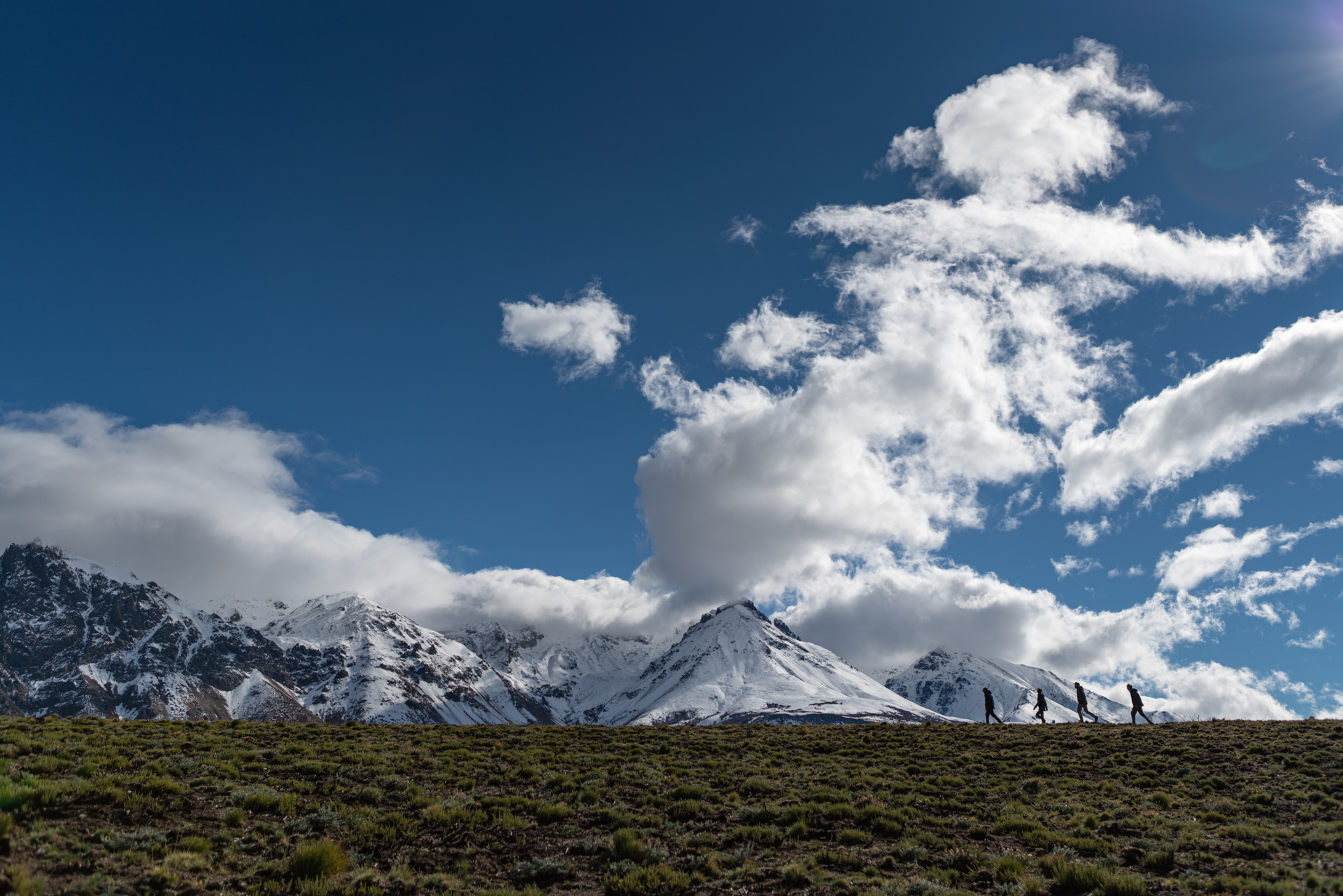
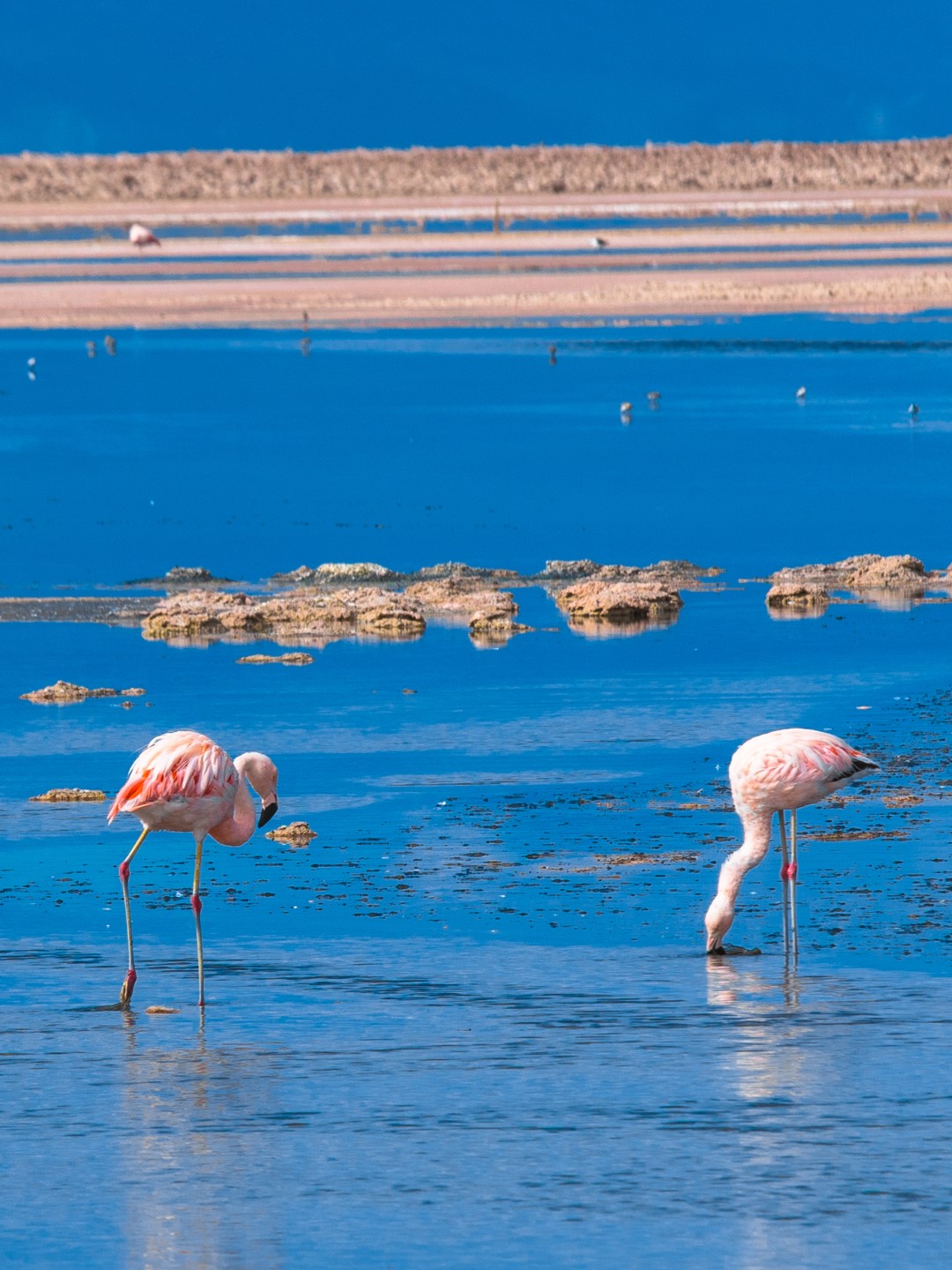
To protect the species, the government designated ten reserves, six of which are located in the country’s northwest region. Argentina’s largest concentration of vicunas is found along the border with Chile in 370,600-acrea San Guillermo National Park in San Juan province, a popular Argentina travel destination. Part of a 2.4 million-acre UNESCO Biosphere Reserve, the protected area includes the San Guillermo Provincial Reserve, established in 1998. Contiguous to these two areas is the million-acre Laguna Brava Provincial Reserve in La Rioja Province, established in 1980, where visitors on Argentina tours will also see flamingos as well as guanacos, another endangered species.
-
Another UNESCO-designated Biosphere Reserve, the Laguna Pozuelos Reserve is located in Jujuy province, at the northwestern tip of Argentina. The reserve is across the border from Eduardo Avaroa National Andean Wildlife Reserve in southern Bolivia, which provides 1.7 million more acres of vicuna habitat.
-
In its preservation efforts, Argentina has experimented with two approaches, captive management, allowing vicunas to be raised in small farming operations, and temporary captivity management in which the vicunas are rounded up and sheared before being released back into the wild. The National Institute for Agricultural Technology (INTA) operates an experimental vicuna farm at Abrapampa in Jujuy Province. Started decades ago, the farm raises vicunas in captivity and is home to about 1,400 animals. INTA’s farm has worked with ranchers of the altiplano to teach them how to raise the species. The government also operates a vicuna nursery in a semi-captive breeding program in Molinos. This indigenous village in Salta Province south of Los Cardones National Park is located at a lower elevation than vicunas are used to inhabiting. Shearing projects have been undertaken in Catamarca and Jujuy provinces, including in the tiny village of Cieneguillas, off the beaten track for most visitors who travel to Argentina.
-
Since the beginning, scientists have disputed the value of Argentina’s captive management approach, believing it to be antithetical to the notion of protecting vicuna populations in the wild. They argue that the system benefits individual producers more than the local communities, unlike the catch and release program that Peru has implemented with much success. Since the 2007 meeting of the international Convention of the Vicuna 2007, Argentina has stopped promoting institutional captive breeding. The populations of vicunas in some regions of Argentina have increased sufficiently to no longer be considered threatened. That is not so elsewhere in the country.
-
To learn more about the complicated policy questions of vicuna management before your Argentina tours, read “Vicuna conservation and Poverty Alleviation? Andean communities and international fibre markets” by Gabriela Lichtenstein of the Instituto Nacional de Antropologia Pensamiento Latinoamericano, published in the February, 2010 issue of International Journal of the Commons, one of the sources for this article.