Protecting the Vicunas of Chile
When Chile began its preservation program in 1970, the country was down to its last 500 vicunas
When Chile began its preservation program in 1970, the country was down to its last 500 vicunas. The government’s efforts to re-populate its Andean region with both sub-species of vicuna has been a big success in some areas and others not. The vicuna sub-species that inhabits the northern region of Chile is no long endangered, but the southern sub-species still faces extinction.
Return to previous page
Protecting the Vicunas of Chile
-
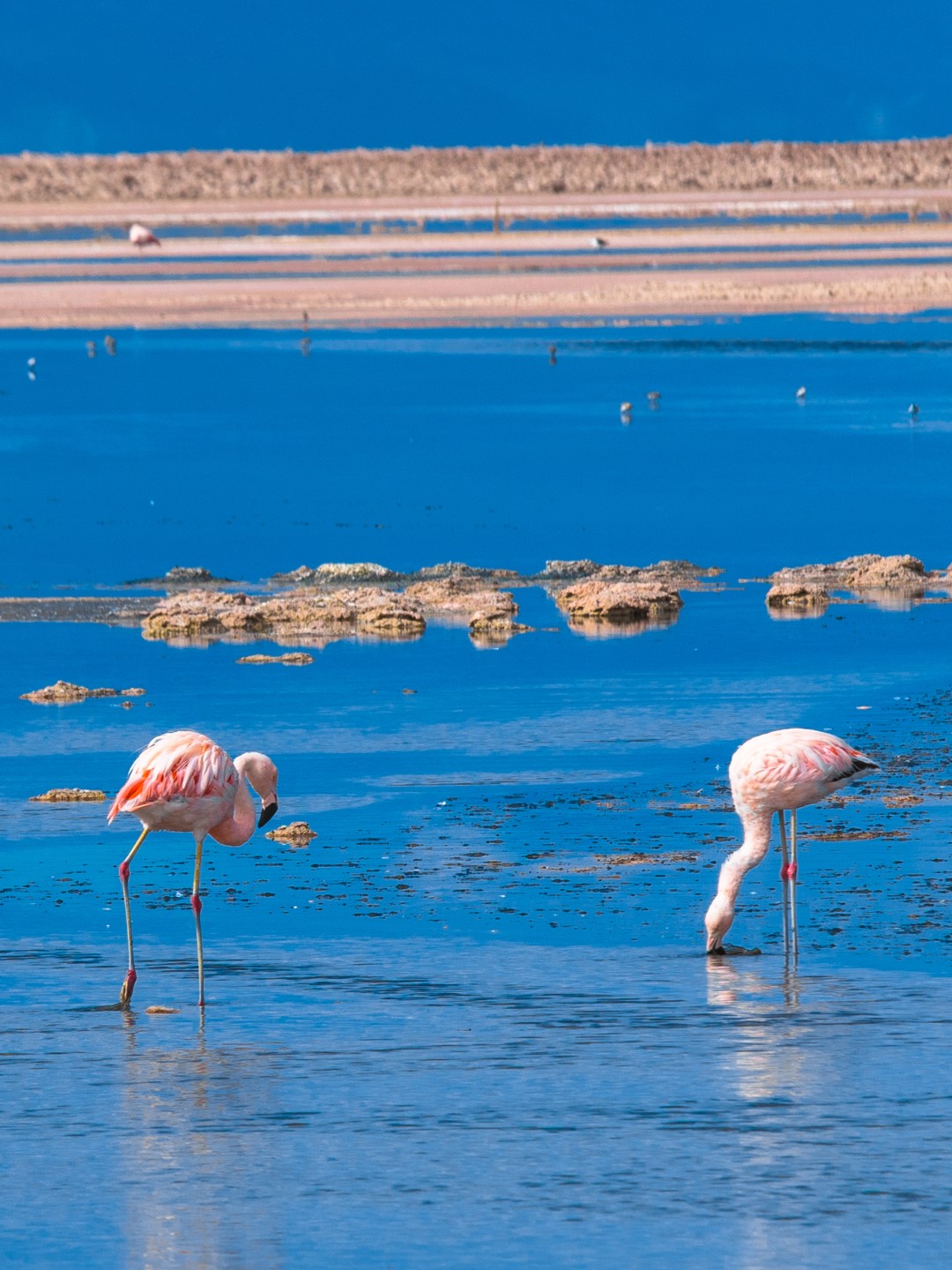
Three of the protected vicuna areas are located in the far northerly province of Parinacota. UNESCO designated the areas as the Lauca Biosphere Reserve in 1981. First to be established was Lauca National Park in 1970. Ninety miles east of the city of Arica, the park is contiguous to Bolivia’s oldest national park, 247,599-acre Sajama National Park, altiplano habitat, and site of Mt. Sajama, Bolivia’s tallest peak. Here the population of vicunas has grown from hundreds to thousands. South of Lauca National Park is Las Vicunas National Reserve, established in 1983. Part of this reserve is adjacent to the third protected area of the biosphere reserve, Salar de Surire Natural Monument, where visitors on Chile tours will also get to observe three species of flamingos.
-
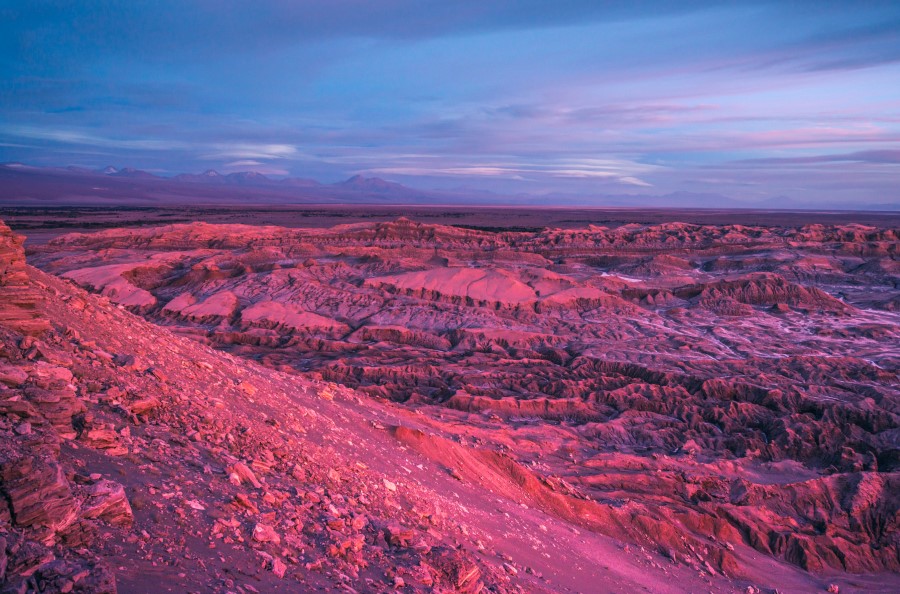
Further south, the Los Flamencos National Reserve was established in 1990. One of its seven sections, the Salar de Tara, is a five hour drive by car east of San Pedro de Atacama almost to the Bolivian border, is vicuna habitat. The sprightly vicunas and colorful flamingos that inhabit the territory are a vivid contrast to the stark landscape, making very photogenic subjects for photographers who travel to Chile in this region.
-
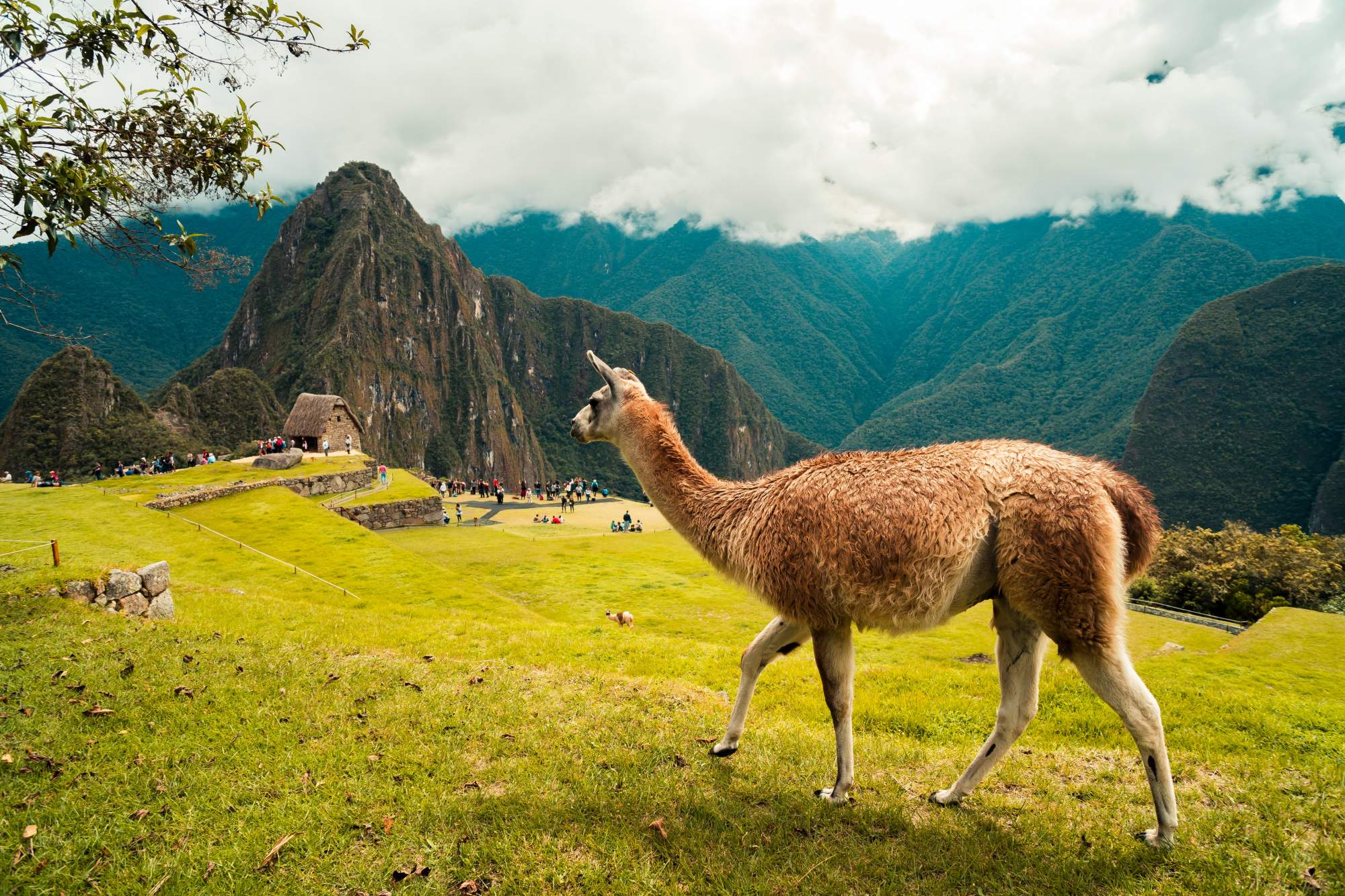
In a few places, visitors on Chile tours will find vicunas and guanacos inhabiting the same area along the border with Argentina. These include 432,000-acre Isluga Volcano National Park, south of the Salar de Surie Natural Monument (where visitors on Chile tours will also see llamas and alpacas on these hillsides); 663,898-acre Llullailloco National Park, 170 miles southeast of the coastal city of Antofagasta; and 145,992-acre Nevado Tres Cruces National Park. Tres Cruces is divided into two sections, and visitors on Chile tours will see vicunas in both areas. The vicunas (as well as flamingos) are attracted to the park’s Laguna Santa Rosa and Laguna del Negro Francisco. The park is located sixty miles north of Argentina’s largest vicuna reserve, San Guillermo National Park.
-
With its total population of vicunas stabilized and growing, in the 1990s, Chile began developing sustainable management plans to enable rural populations to profit from the sale of vicuna fleece as its neighbors had done. The work began in the 1990s with a cooperative pilot project between the government and the indigenous Aymara population in the Tarapaca region of Parinacota province. The government initiative allowed the villagers to hold vicunas in temporary captivity in order to shear their fleece, and has continued at sites elsewhere. These chacus in Chile often use motorized vehicles or a combination of humans and vehicles to herd the vicunas. The government of Chile also has experimented with breeding the species in enclosures, a practice that remains controversial, is not supported by environmental scientists and is no longer being promoted.