Protecting the Vicunas of Peru
Encroaching civilization, over-hunting and poaching threaten vicunas throughout their shrinking habitat
It is a familiar story. Encroaching civilization, over-hunting and poaching threaten vicunas throughout their shrinking habitat, even in areas where their numbers remain strong. The short-sightedness of killing vicunas was recognized centuries ago, yet no law, edict or decree has succeeded in stopping the slaughter of this valuable little commodity. South American governments have made tremendous strides in the right direction. In the 1960s, with only a few thousand vicunas remaining of the millions that once roamed the puna grasslands, Peru began taking steps to protect the species’ habitat, primarily in its central Andes and further south. The government established vicuna reserves within its borders and prohibited the export of vicuna fleece and pelts. By 1969, Peru began partnering with other South American nations in an international effort to save the vicunas, under the Convention for the Conservation of the Vicuna, a structure that continues today.
Return to previous page
Protecting the Vicunas of Peru
-
Established in 1965, the Pampa Galeras-Barbara D’Achille National Reserve comprises 16,000 acres of habitat for the species. From here, vicunas have been moved back into other areas of their previous range. This first of Peru’s vicuna reserves is located fifty miles east of Nazca, a popular destination for visitors who include Peru tours here to see the mysterious lines etched on the hillsides.
-
After researching vicunas and other endangered species in the Cordillera Blanca for almost a decade, the government of Peru established mammoth Huascaran National Park in 1975. Here in the northern highlands, a region that prompts visitors to travel to Peru from throughout the world to hike, the park provides vast areas of vicuna habitat. Most vicunas are found around Llanganuco in the northern region of the park and at Carpa, south of Huaraz.
-
The largest of Peru’s protected areas for vicunas is the Salinas y Aguada Blanca National Reserve, located between the city of Arequipa and Lake Titicaca. The 1,417 square mile reserve was established in 1979. Vicunas are found throughout the reserve, though visitors on Peru tours will see the most animals in the area designated as the Pampa Canahuas National Reserve. Most visitors travel to Peru in this region to hike in Colca canyon.
-
On the border with Peru, north of Lake Titicaca, Apolobamba National Park is home to most of Bolivia’s vicunas. Formerly called the Ulla Ulla National Reserve, Apolobamba is one of several protected areas that Bolivia has established where a little less than a third of the country’s vicunas live. Vicunas are also found in Bolivia’s western departments of La Paz, Oruro and Potosi.
-
Comprised of scientists who study camelids, the Lima-based research group, CONOPA, participates in international efforts to protect the species by undertaking research in vicuna habitat. Huancavelica National University operates a South American Camelids Research Center where it studies vicunas at various indigenous sites in the vicinity of Ayacucho.
-
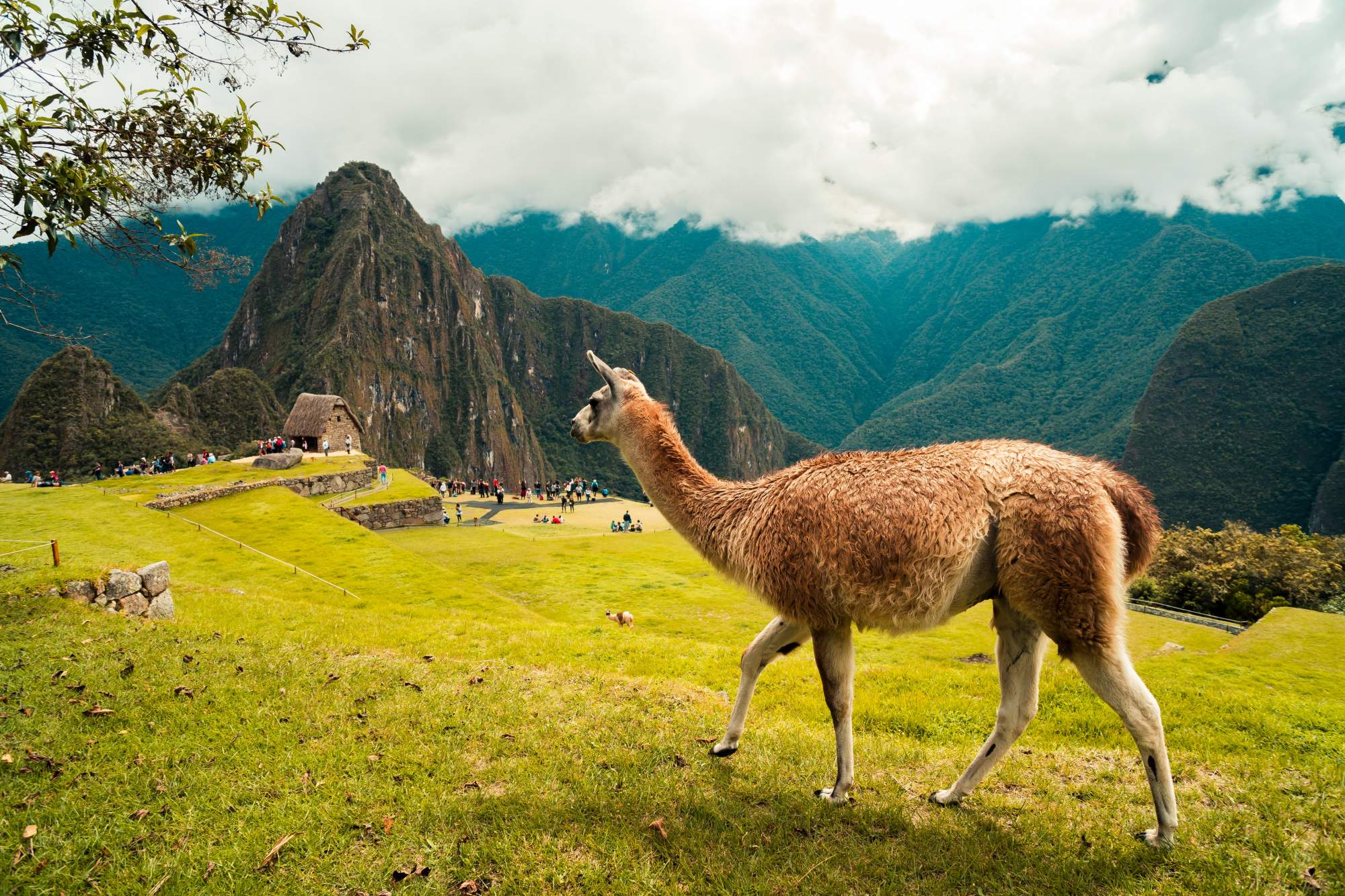
The vicuna is the symbol of Peru, adorning its Coat of Arms and designated its national animal. Thanks to Peru’s leadership role and conservation measures undertaken by other South American countries, the vicuna population has finally grown enough for the species to be reclassified from vulnerable to a species of least concern. Visitors to Andean regions on Peru hiking tours may once again see roaming herds of vicunas. The international ban on the commercial trade of products made of vicuna wool, in effect since 1975, has been lifted.