Conserving Costa Rica
Discover what makes Costa Rica one of the world's premier ecotourism destinations
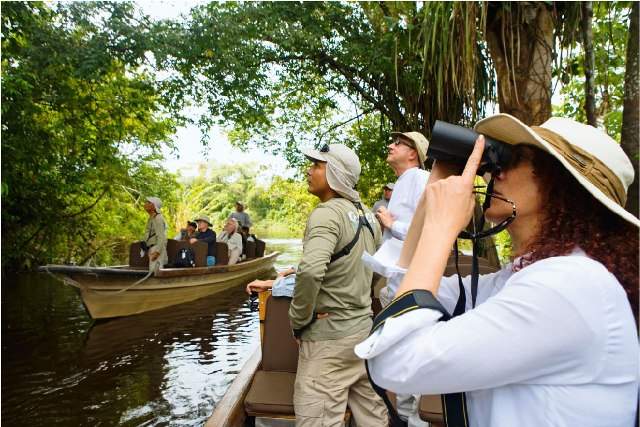
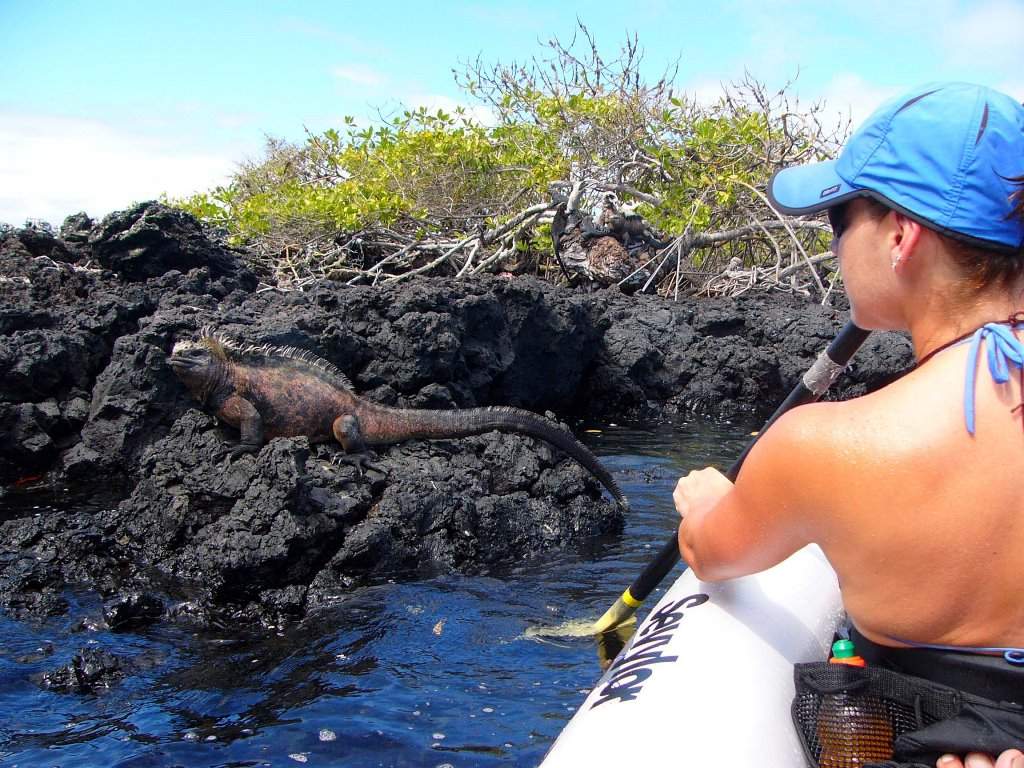
With so many natural wonders within its borders, Costa Rica wisely began protecting its variety of eco-systems and bio-diverse flora and fauna over the first half-century, providing one-of-a-kind encounters with nature for visitors on Costa Rica tours and citizens alike. By the time Costa Rica began these conservation efforts, mass de-forestation had already taken place, converting fertile land to agricultural use and draining mangrove swamps for coastal development. Changes in environmental philosophy helped the country to regain some of what was lost. Today half of the country is covered in forests and a quarter of its territory is protected as national parks and reserves. No country preserves a larger percentage of its land than Costa Rica. Though each of its ecosystems is represented, most of these protected lands are not where the greatest biodiversity is found, in the tropical lowland forests.
Return to Previous Page
Conserving Costa Rica
-
Some of the protected lands are held publicly, some privately. The government also holds the coastline in the public domain to prevent private development. Within the borders of some protected areas, the government does allow a range of private activities, from farming to eco-lodgings. Costa Rica can count among its assets, twelve RAMSAR wetlands and two UNESCO-designated biospheres.
-
In 1998, Costa Rica divided the country into eleven conservation areas to oversee some 160 protected areas, covering over three million acres. About half of these protected lands have been designated as national parks in addition to eight biological reserves, thirty-two protected zones, eleven forest reserves, fifty-eight wildlife refuges, fifteen wetland areas and twelve other areas protected in one way or another.
-
Among Costa Rica’s many reserves, some are popular destinations in their own right. Some are located adjacent to national parks such as the Tamarindo Wildlife Refuge that borders Las Baulas Marine National Park. Others stand alone such as the Ostional Wildlife Refuge, on the Nicoya Peninsula, one of the prime nesting spots for the olive ridley turtles. Another, the Isla del Cano Biological Reserve, located off Costa Rica’s southern Pacific coast, protects the fragile coral and marine species the reefs attract, making it a magnet for visitors who travel to Costa Rica for the scuba diving.
-
Under the Tropical Forest Conservation Act, passed by the U.S. Congress in 1998, Costa Rica has taken advantage of the opportunity to pay down a portion of its debt to the United States government in return for investing in its own reforestation and preservation of the country’s tropical forests, including those located on its Pacific and Caribbean coasts. Ten percent of the cost of the program has been borne by the environmental organizations, The Nature Conservancy and Conservation International.
-
Those who take their Costa Rica vacations with Southern Explorations will have opportunities to visit many of the country’s national parks and other pristine areas. We offer eight Costa Rica tours, ranging from seven to ten days, some guided and others self-guided. In various locations during their travel to Costa Rica, visitors will be able to learn about the conservation efforts by several non-profit environmental organizations on behalf of the country’s wildlife, including the American entity, Sea Turtle Conservancy, the Canadian Organization for Tropical Education and Rainforest Conservation (COTERC) and the international Organization for Tropical Studies.