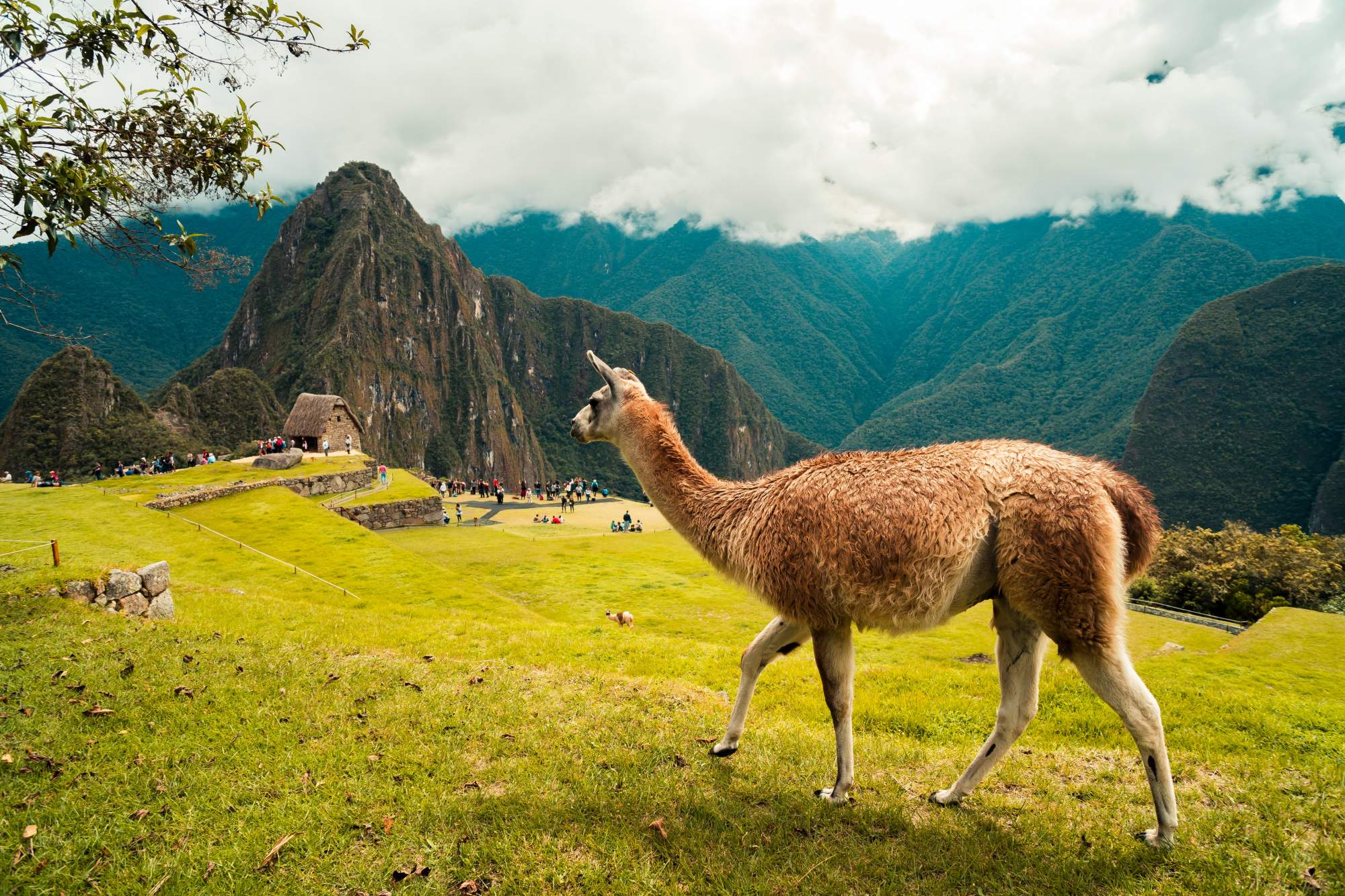
Machu Picchu Peru
I started thinking about the subject because of an op-ed piece in the February 23rd issue of The New York Times by Eliana Karp-Toledo, former first lady of Peru and now a visiting lecturer at Stanford University (where she is also an alum). She is married to Peru's first indigenous president, Alejandro Toledo, who served from 2001 to 2006.
The rightful return of antiquities is of course a subject of controversy the world over. Where, for instance, do the Elgin Marbles belong, in the British Museum where they have been since the early 1800s or in Athens where they were sculpted to decorate the Parthenon, centuries before the birth of Christ?
In the lingering Machu Picchu artifacts repatriation dispute, Yale has insisted that with case law on its side, it has the right to hold on to these artifacts indefinitely, those that are housed in a museum on campus and others that continue to be used in archeological research. A preliminary agreement between the two entities was finally reached in September of last year. In it, Yale acknowledges that Peru owns and only loaned the artifacts to Bingham. It describes plans for a co-sponsored exhibition of the artifacts along with some in Peru's possession that would tour internationally. It stipulates that the Peruvian government will build a museum to house the tour collection and a research center in Cusco, the gateway city to Macchu Picchu, with Yale serving in an advisory role. The museum would open on the centenary of Bingham's discovery. Yale would keep some of the artifacts for further study. A joint statement by the university and the Peruvian government, outlining the agreement, is posted on Yale's website. It isn't specific about how many artifacts Yale would continue to hold for research purposes, for how long, or why, nor does it mention that the agreement is on hold as Karp-Toledo states in her article. She maintains that what underlies Yale's desire to keep certain artifacts for another 99 years and to drag out the negotiations until a president less sympathetic to indigenous rights took office may be its colonial attitude. In my mind, of all the contentious international issues with many sides, many nuances and a long turbulent history, the repatriation of artifacts comes about as close to being a black and white ethical decision as there is. The artifacts belong where they came from. Otherwise you have to believe that "finders keepers, losers weepers" is how civilized society should conduct itself.

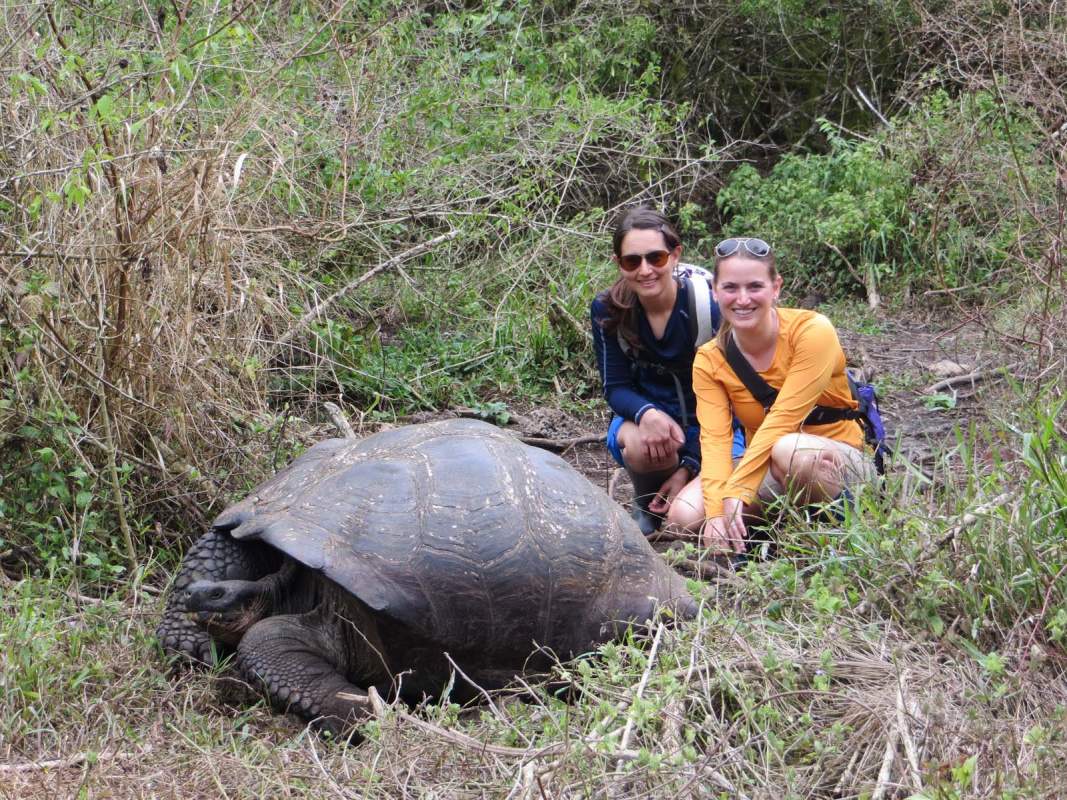
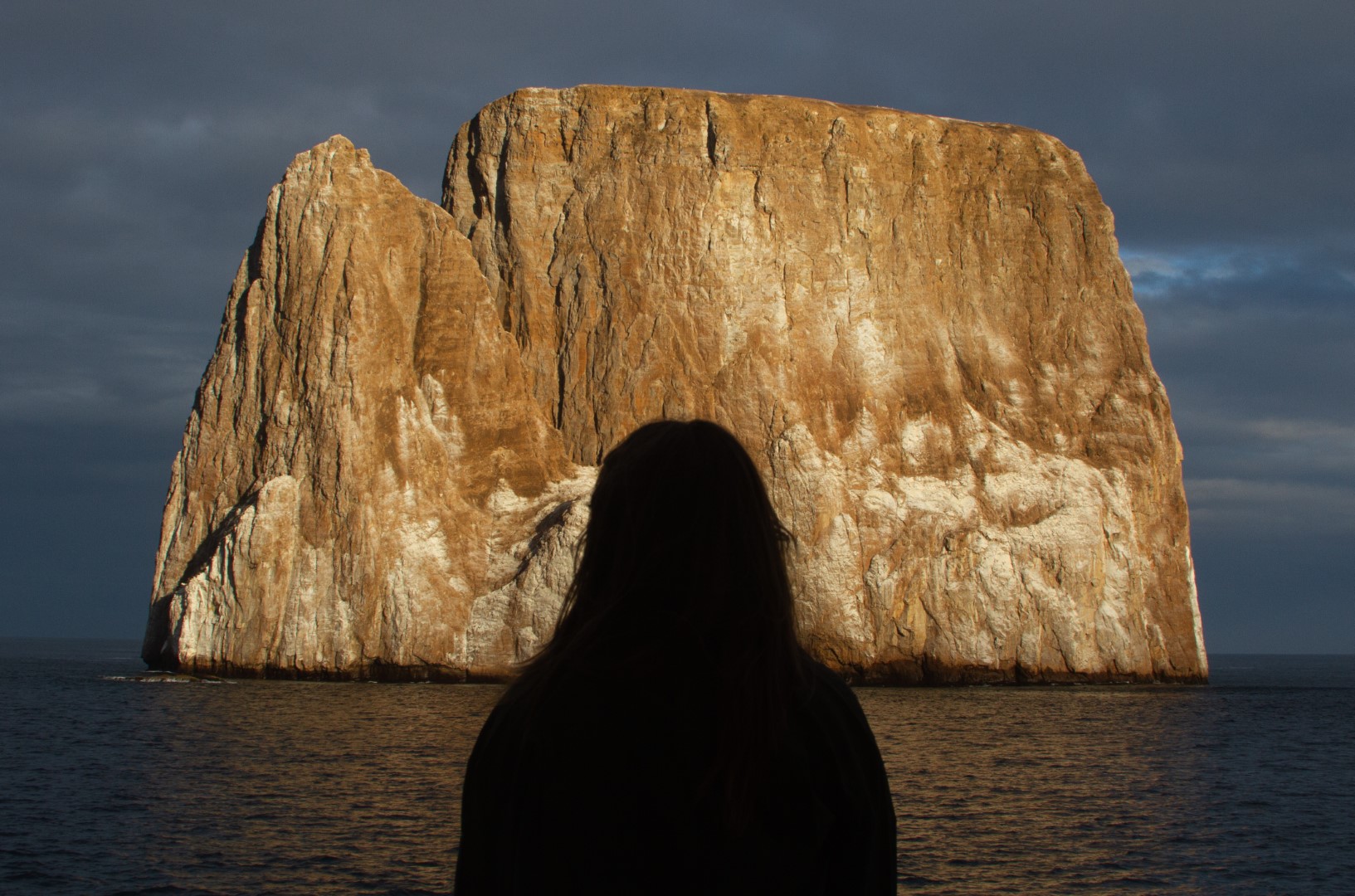
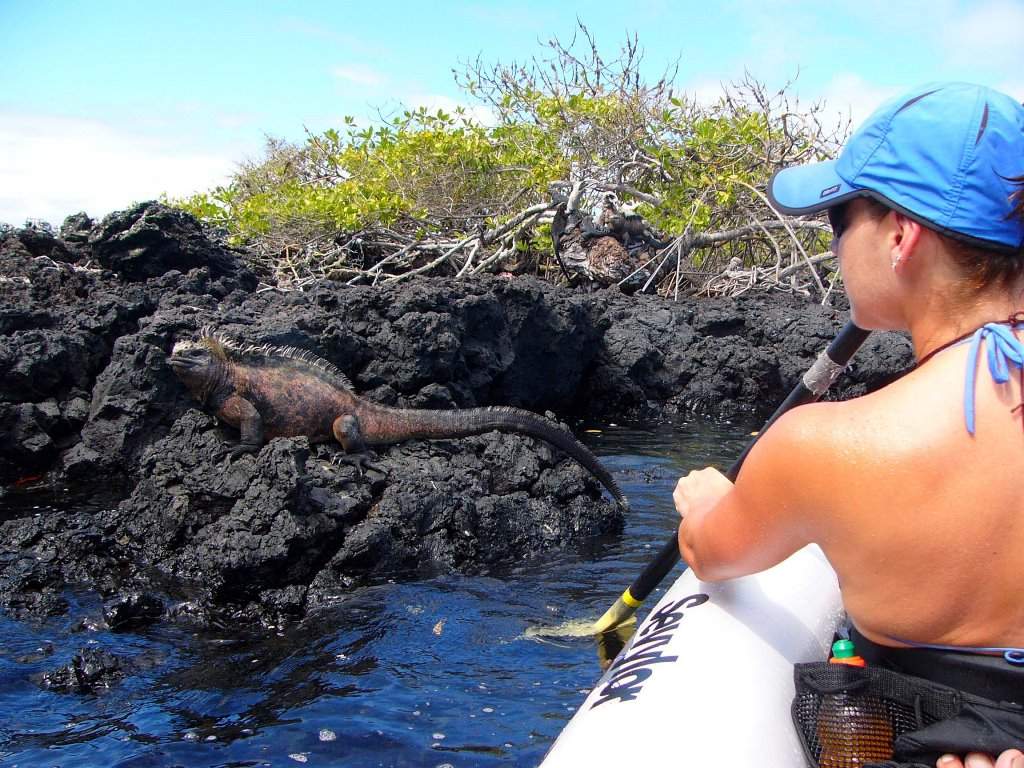
While I may have been to the Galapagos twice before, this time I can literally tell you everything our guides say about the wildlife we encounter. The only differences are that I’m doing something active, instead of suffering the boredom of a naturalist “hike” in the direct sun, and I am likely more familiar with the Islands than your average tourist. Plus, the group is great. The sea is notably rough, but everyone just enjoys the experience. This is what the Galapagos is really about!


I made it to Ingapirca. (Por fin!) After resting at a local posadad (inn), I went to tour Ecuador's famous